Apple Cinnamon Scrolls

Apple Cinnamon Scrolls

This is another dish that builds on one covered previously – good old Scones! It’s moreish and quite delicious.

It’s also very easy. Actually, it’s almost criminally easy.

Criminal in that there is very little incentive not to just make a batch each and every day.

I created this dish in an attempt to recreate the apple scrolls I’m quite fond of getting from a local bakery. However, during our current budgetary regime, I simply can’t justify paying $4 for one of them. I can make a whole batch of these (8) for less than $2. Honestly.

It also takes about 30 mins from start to finish. Make it with the kids and then get them to make it for you. Often.

Herewith: start with a batch of scone dough. You’ll find the recipe here. Go make that up right now. We’re happy to wait for you. Once you get to the bit where you flatten it out, stop and head back here.

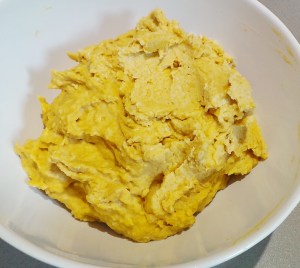
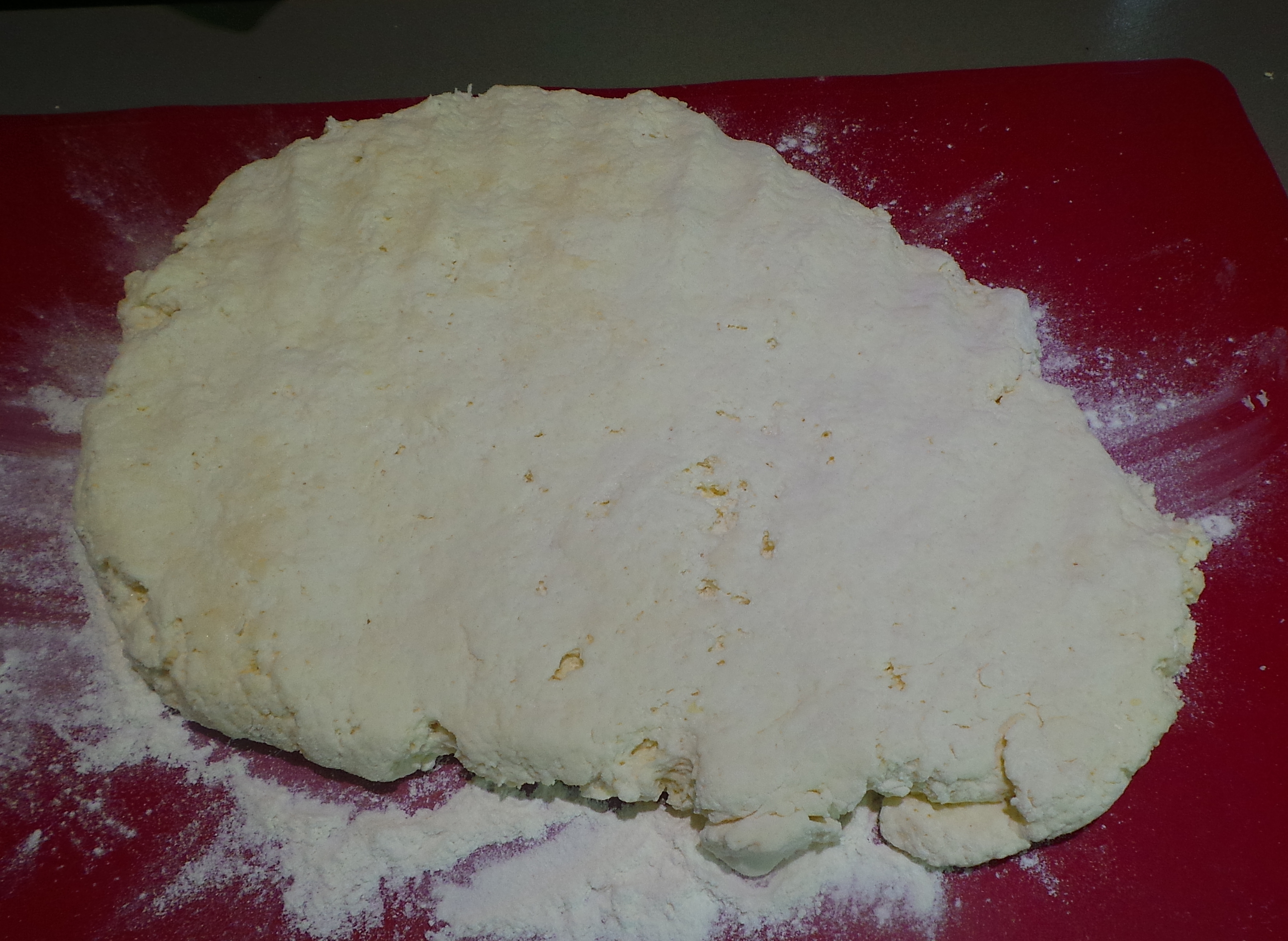
Shape and flatten your dough, using only your hands.

You are here.

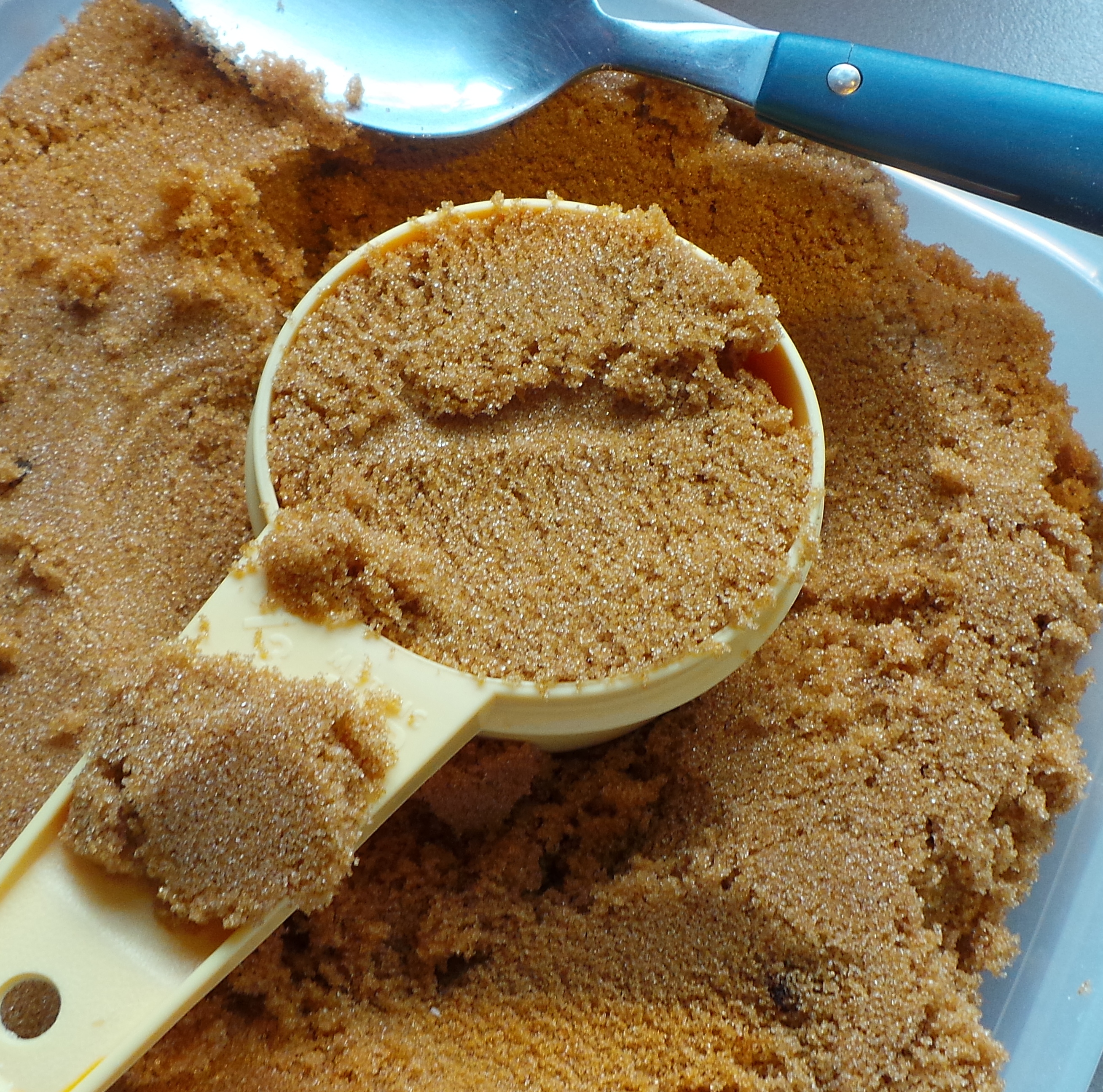
Preheat your oven to 230ºC/475ºF. Now is the time to grab a small bowl and place ¼ cup of brown sugar into it.

Start the madness with some brown sugar.

Start the madness with some brown sugar.

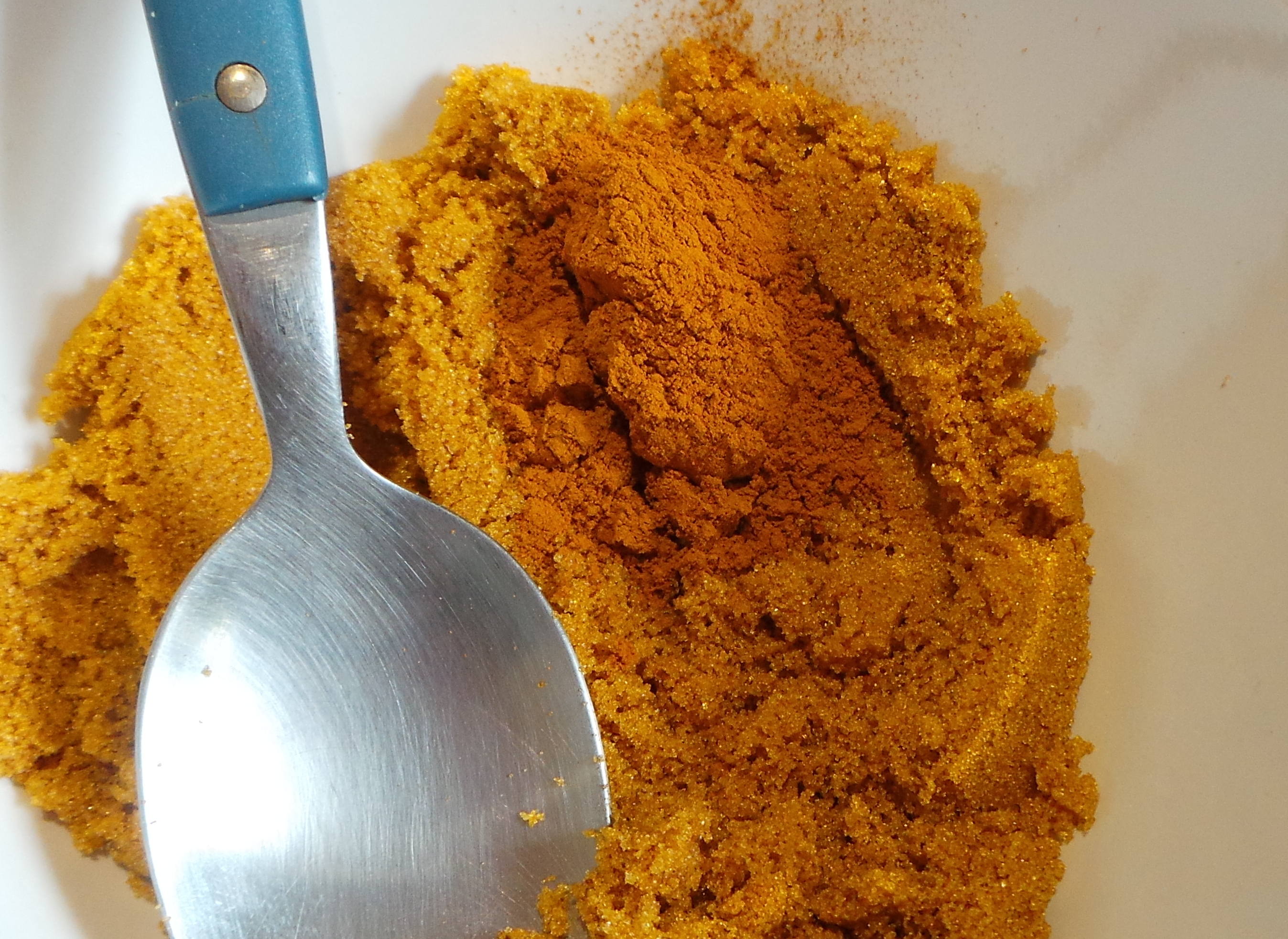
Then add 1 tsp of ground cinnamon and mix well.

Add spice.

Add spice.

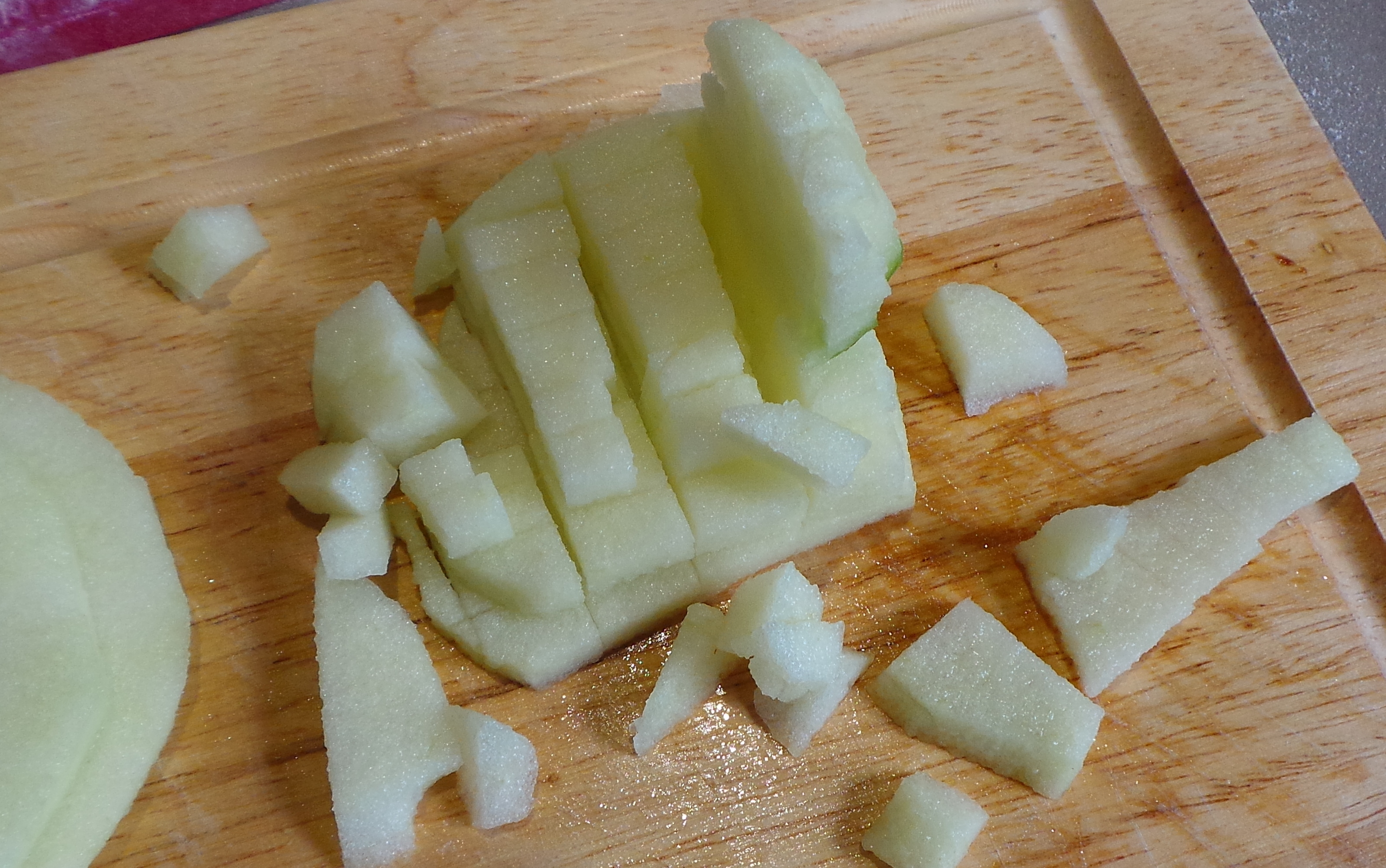
Peel a cooking apple and dice finely.

Take one Granny Smith.

Take one Granny Smith.

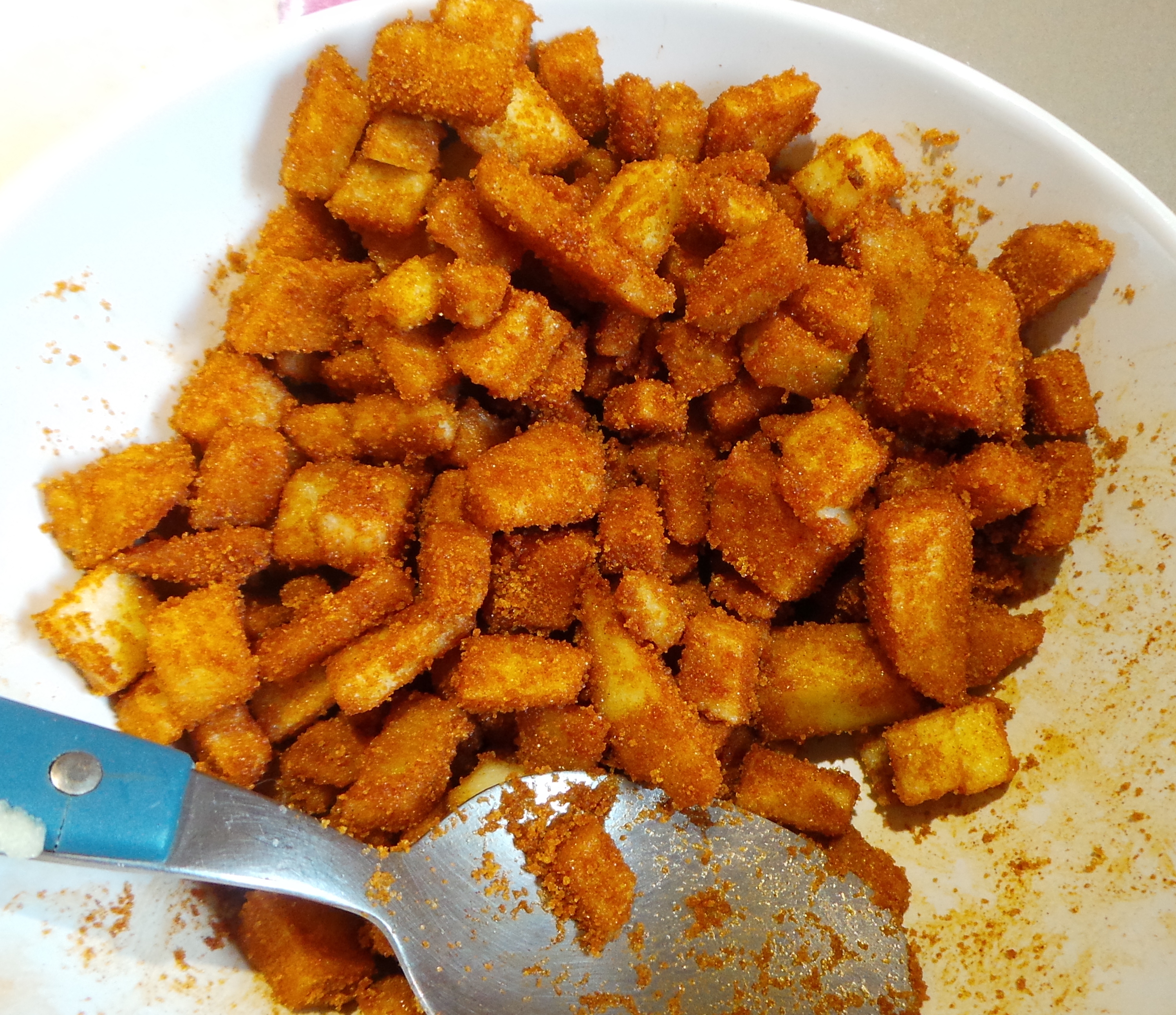
Mix into the sugar and spice.

This is your filling. Easy, wasn't it?

This is your filling. Easy, wasn’t it?

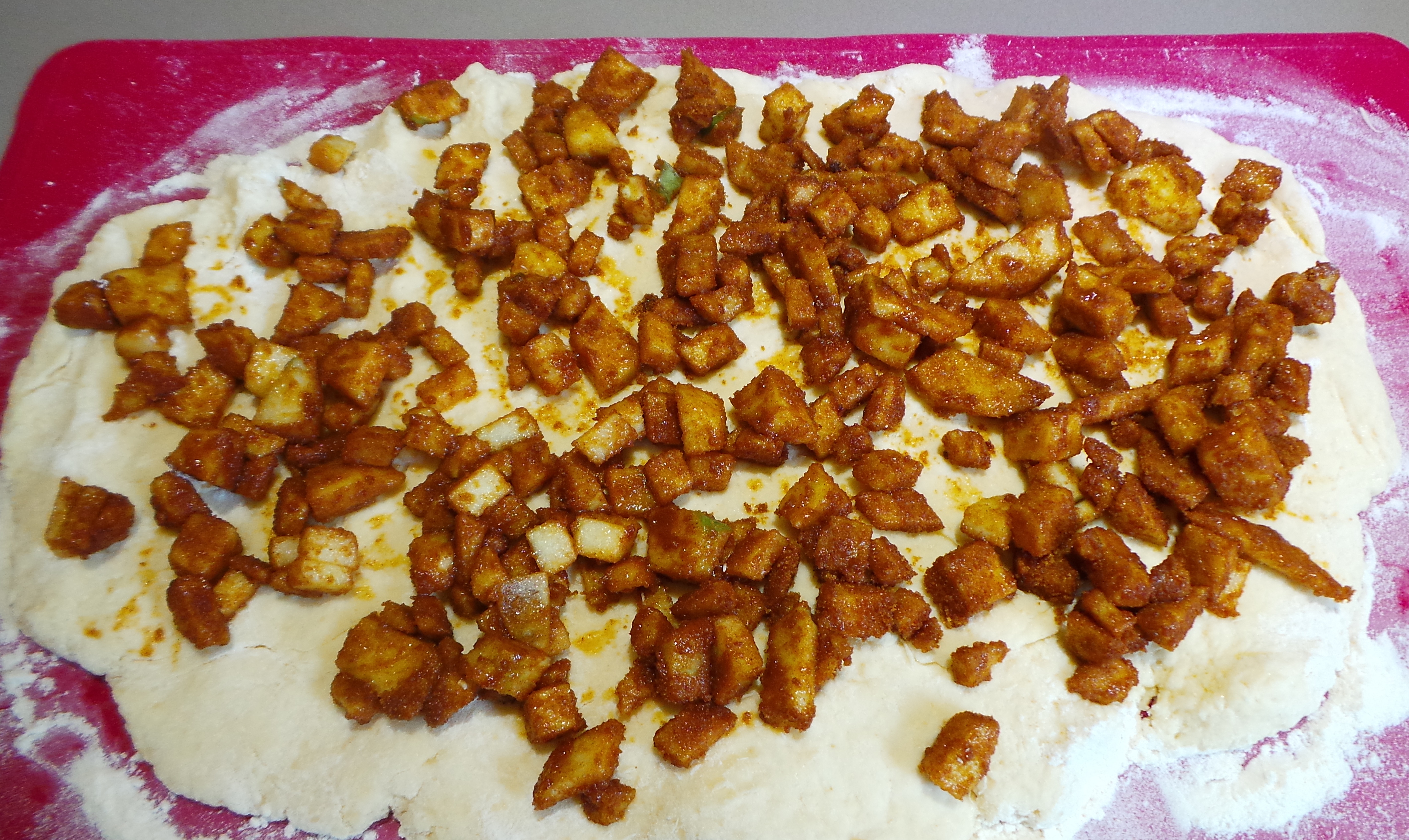
Now spread this over your scone dough as evenly as you can.

Add to your scone dough.

Add to your scone dough.

Roll it up from the long side and gently cut into evenly sized pieces.

Divide into evenly sized pieces.

Divide into evenly sized pieces.

Line a baking sheet with paper. Don’t miss this bit or you will have a big clean up job to do! Then place your slices on the paper cut side down. Squeeze them gently to round out any flattened edges. If you wish, you can brush with a little milk to aid in browning.

Place your scrolls on a tray.

Place your scrolls on a tray.

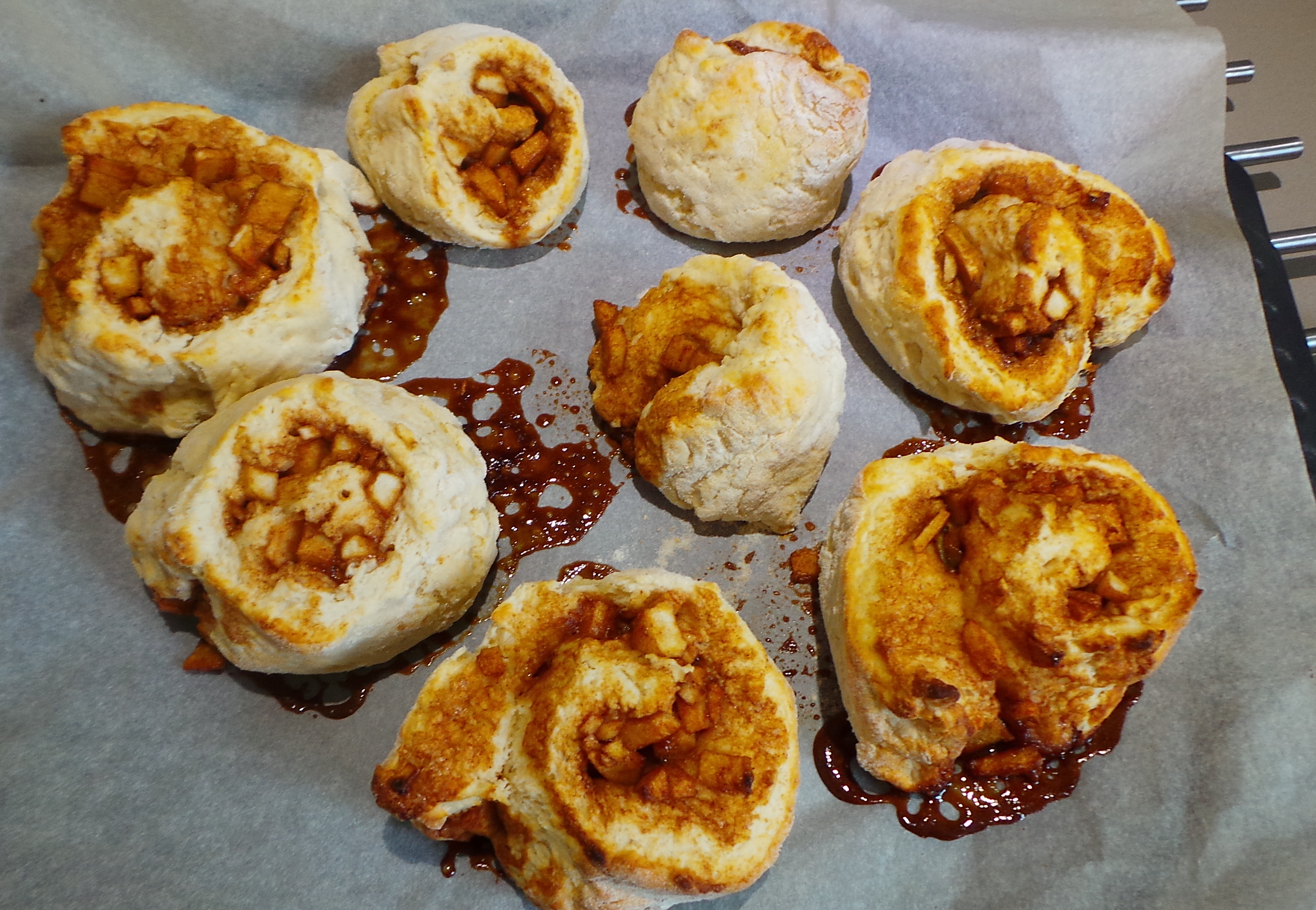
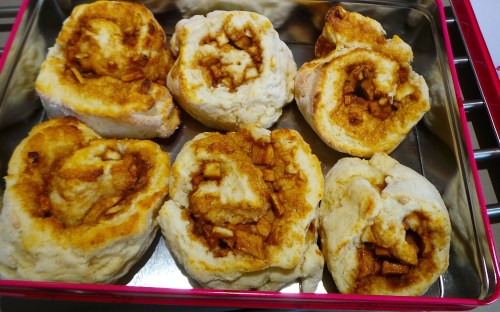
Bake for 10-15 mins, until a skewer inserted in the centre comes out clean.

This is what you want.

This is what you want.

Can you see that shiny brown stuff on the paper? That’s caramel. Aren’t you glad you lined the pan?

Thought so.

Transfer the cooked scrolls to a rack wrapped in a clean cloth to keep them soft. Serve when you can resist no longer.

Apple Cinnamon Scrolls

  • Servings: 8
  • Difficulty: moderate
  • Print

Ingredients

1 x quantity Basic Scone Dough

¼ cup brown sugar

1 tsp ground cinnamon

1 cooking apple e.g. Granny Smith

Method

Heat the oven to 230ºC/ 475ºF.

Prepare the scone dough and then pat out into a rough rectangle.

Mix the brown sugar and cinnamon together.

Peel the apple and dice finely.

Mix the apple thoroughly into the sugar mixture.

Spread the apple as evenly as possible over the scone dough.

Roll the dough from the long side, making a sausage shape.

Cut into 8 even pieces. Start by cutting in half, then cutting each half in two and so on.

Line a baking tray with paper and place the slices of the roll onto it cut side down. Squeeze gently into a rounder shape.

If you wish, brush the tops of the scrolls with milk to make them brown nicely.

Bake 10-15 mins until a skewer inserted in the centre comes out clean.

Cool in a clean cloth to keep soft – or serve immediately.

Variations:  scatter a handful of chopped walnuts or pecans over the apple mixture before rolling up.

Hummus

Hummus.

Hummus

Hummus

It’s one of those things. There are as many variations of hummus nowadays as there are ways to spell it. Humus, humous, etc…

There are also any number of people who will get upset with you for not making it their way.

Ignore them.

Hummus is a great little dish that takes next to no time to make, is incredibly nutritious, costs very little and tastes fabulous – all while filling you up admirably.

What’s not to love?

The purists will tell you that the best hummus is made with freshly cooked chickpeas or garbanzo beans. It very well may be, but that doesn’t mean that the stuff made from tinned chickpeas doesn’t taste pretty spiffy too.

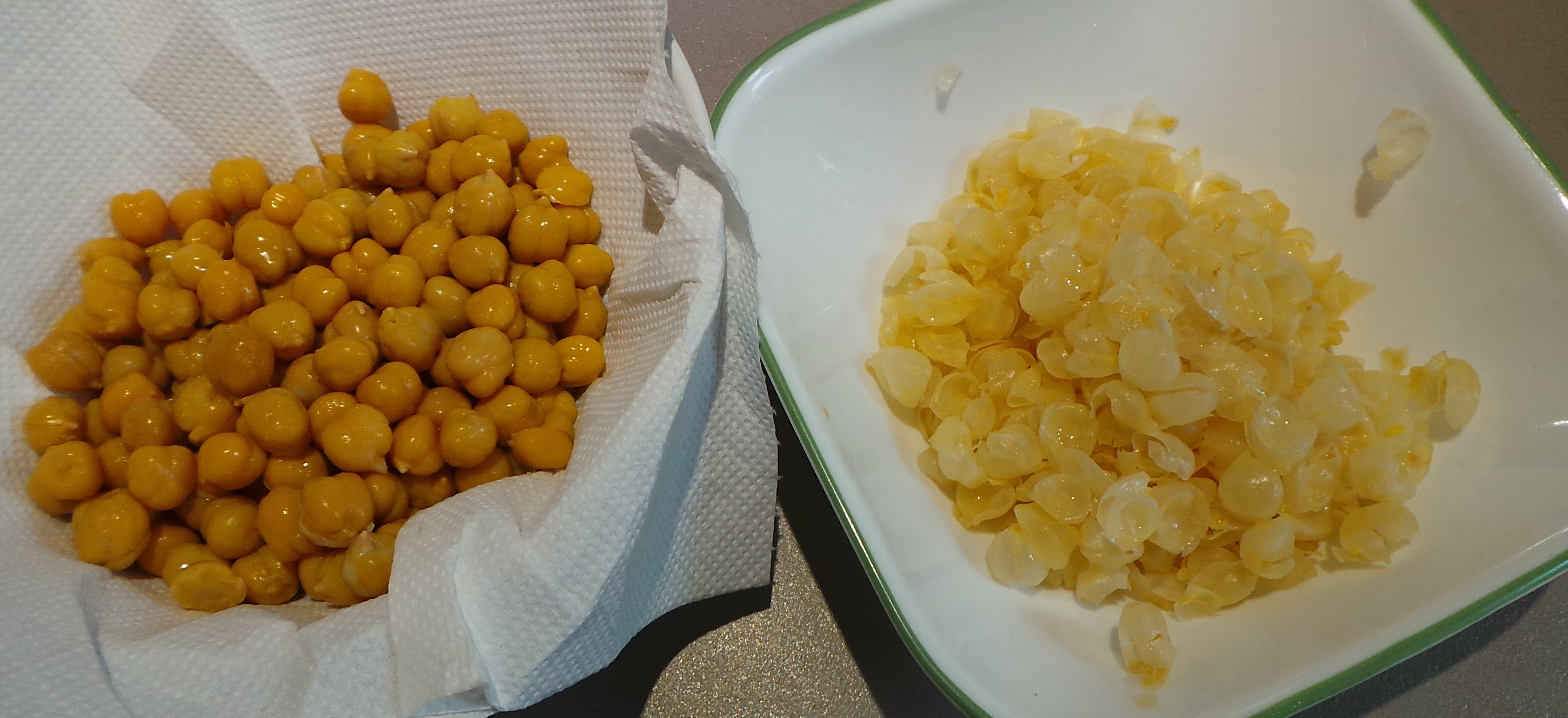
The purists will also tell you to peel your cooked chickpeas. This is very easy to do by simply squeezing the pea between your thumb and forefinger. The skins will just slip off and you’ll end up with a bowl of peas and a bowl of skins, like this.
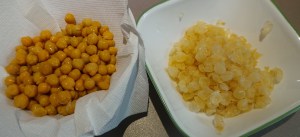
Peeled Chickpeas

Peeled Chickpeas

It makes the texture a little smoother, but my MS meant that they were popping all over the place by the time I’d finished. If you find the thought of peeling your peas too onerous, then simply embrace the extra dietary fibre and move on.

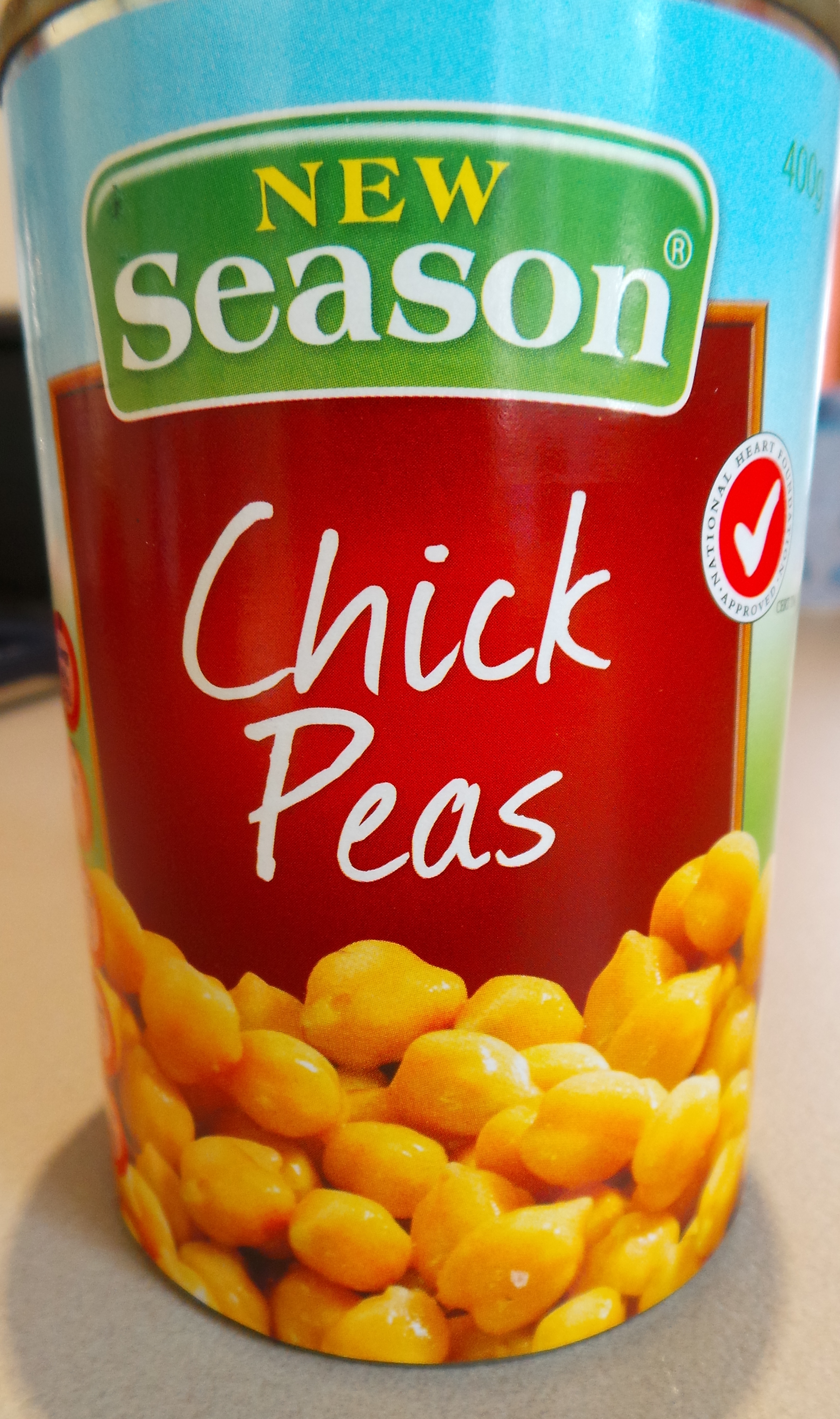
In a future post I will cover how to cook with dried beans, a skill that has the potential to save you a whole load of cash, but for the sake of this post we’re going to be using these. Which cost about 80c.

A tin of chickpeas.

A tin of chickpeas.

Deal with it.

This is one of those dishes that is more of a method than a recipe, but I’ll attempt to give you something to print at the end of the post…

You will see hummus used to describe pastes made with every kind of beans – usually white ones – that you could name. You will see it with tomatoes, roasted peppers/capsicums and myriad other things. The genuine thing is usually chickpeas, tahini, olive oil and lemon juice.

Mine has a few other things, but we’ll get to those. Relax, they’re not scary.
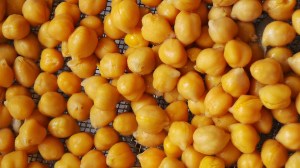
Chickpeas

Chickpeas

Tahini is basically a nut butter made from hulled sesame seeds and is widely used in middle eastern/Mediterranean cuisine. It can be found in supermarkets or you could make your own – you’ll find instructions on The Kitchn right about here. Tahini will add a certain earthiness in flavour and smoothness of texture to your chickpea dip.

Be warned: It can be expensive, especially if you aren’t going to be using a lot of it. You’ll only need about a ½ cup for this recipe, which will leave quite a lot still in the jar. Refrigerate it, or it will go off, but this will not extend its life indefinitely.

You don’t need it. (Cue purists falling off their respective perches.) Your hummus will taste absolutely fine without it and, if you really want, I’ve seen Jamie Oliver use smooth peanut butter instead.

You’ll also need a blender of some kind – or you could do it the traditional way and smash it in a mortar and pestle. Hummus has been around several thousand years longer than food processors…

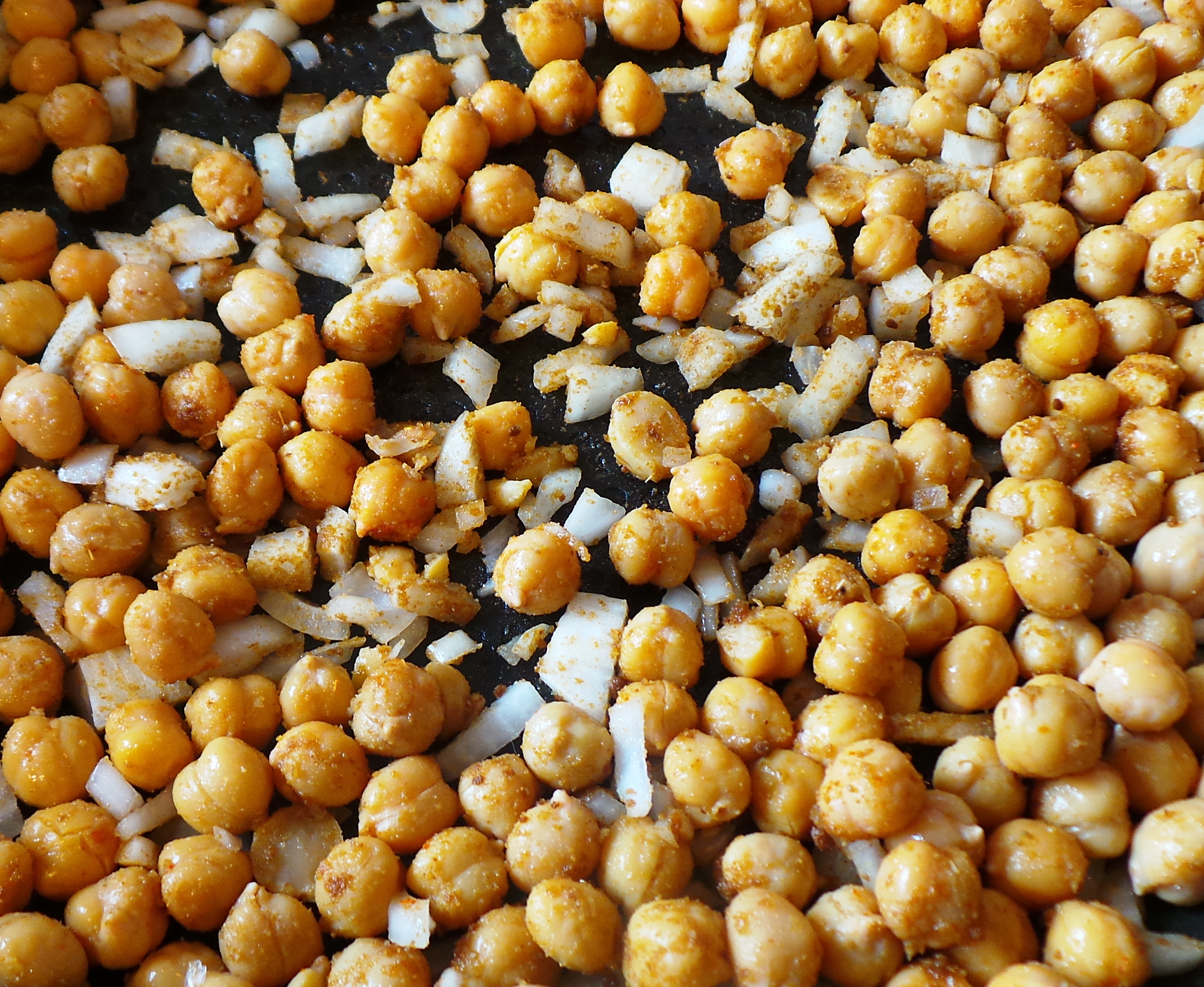
I start my hummus with a small onion, chopped as finely as I can get it. In a frying pan, I heat a tablespoon or so of olive oil, add my onion and a clove of minced garlic, which I then gently fry off with a couple of teaspoons of ground coriander and cumin.

Start with some aromats. (Do I sound cheffy? Do I?)

Start with some aromats. (Do I sound cheffy? Do I?)

You could add some chilli powder or cayenne pepper if you wanted to. It’s up to you.

You don’t want your onions to brown, just to soften, and for the heat to release the fragrance of the spices.

At this point I add my chickpeas and give it all a good stir.
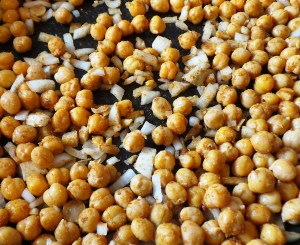
Introduce your chickpeas to the other flavours.

Introduce your chickpeas to the other flavours.

I’ve used an attachment on an immersion blender for the rest of this, but you could use a blender, a food processor an immersion blender in a bigger bowl… If you’re feeling particularly energetic then use a potato masher. You can even go traditional and grind things up in a stone mortar and pestle – it will all work.

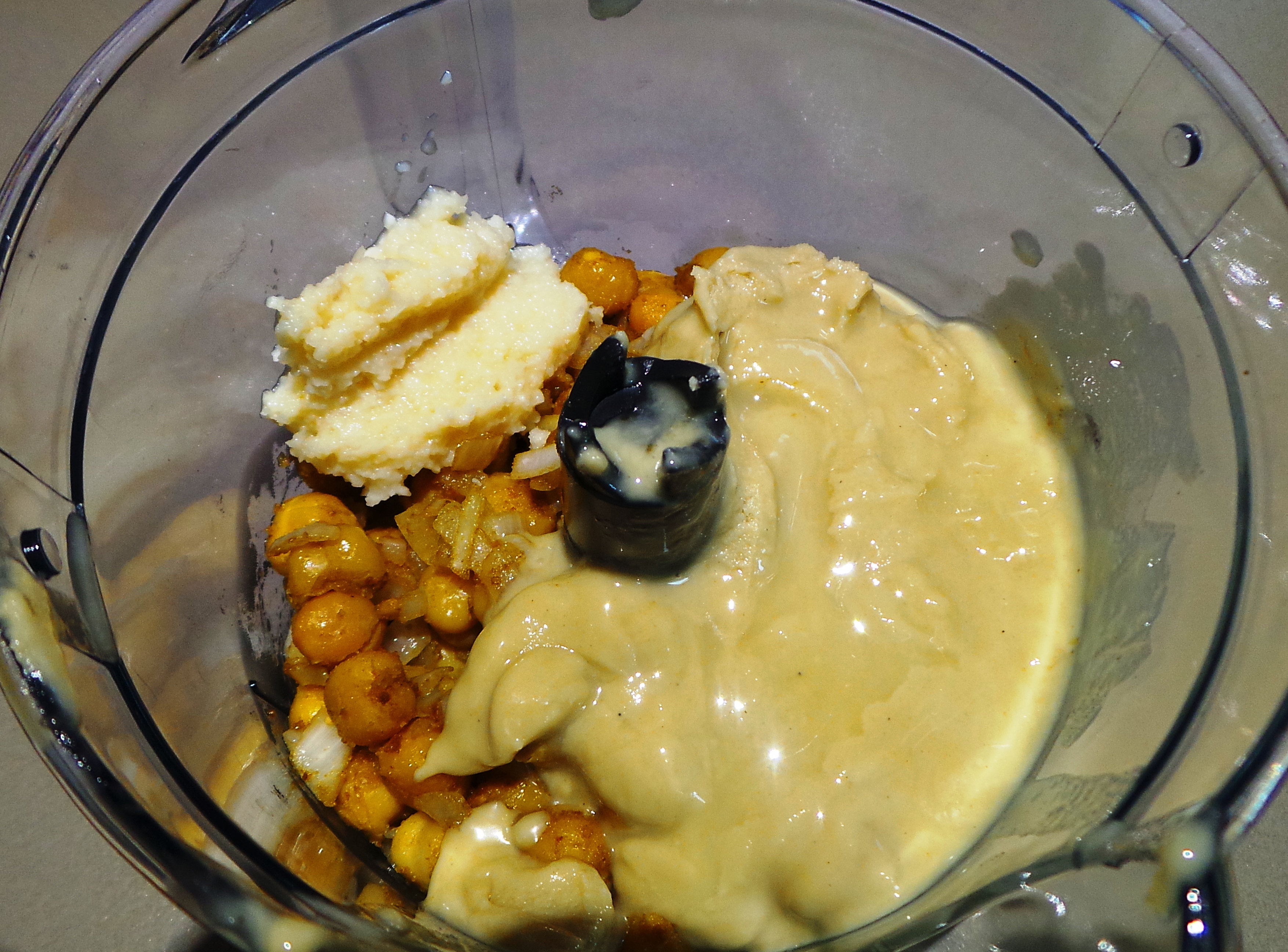
In your bowl, place the chickpea mixture from the pan, tahini (or not), some olive oil, some cloves of crushed garlic (I use stuff from a jar) and some squeezed lemon juice.

Place everything into your blender.

Place everything into your blender.

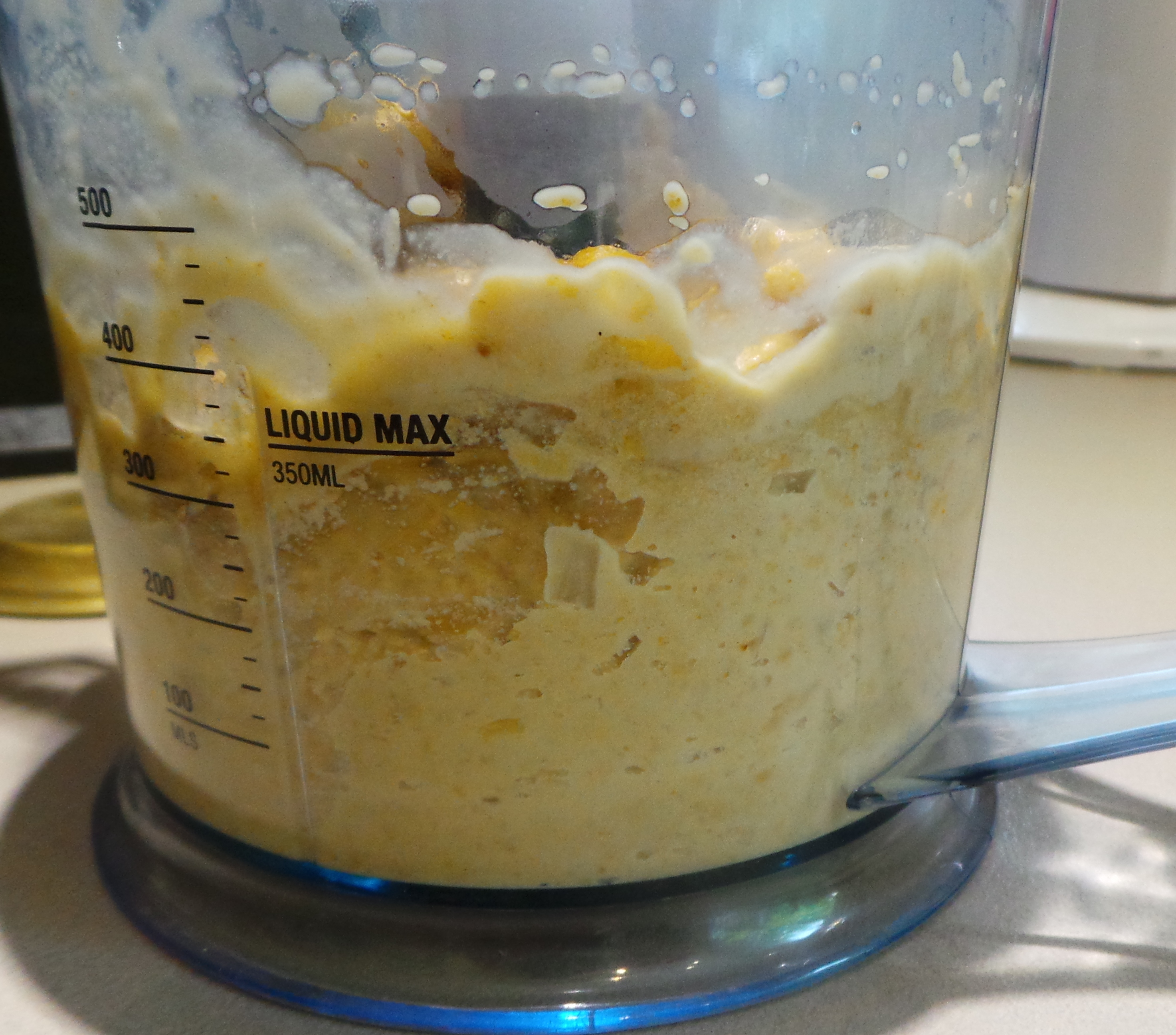
Process until smooth.
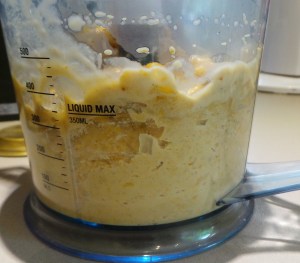
Nearly there

Nearly there.

Taste and season if necessary. Feel free to add more oil or lemon juice if you wish to loosen the mixture but, if you are happy with the flavour and it is just a little too thick, simply add water (or reserved cooking liquid if you started from scratch) a spoonful at a time until it reaches the desired consistency.

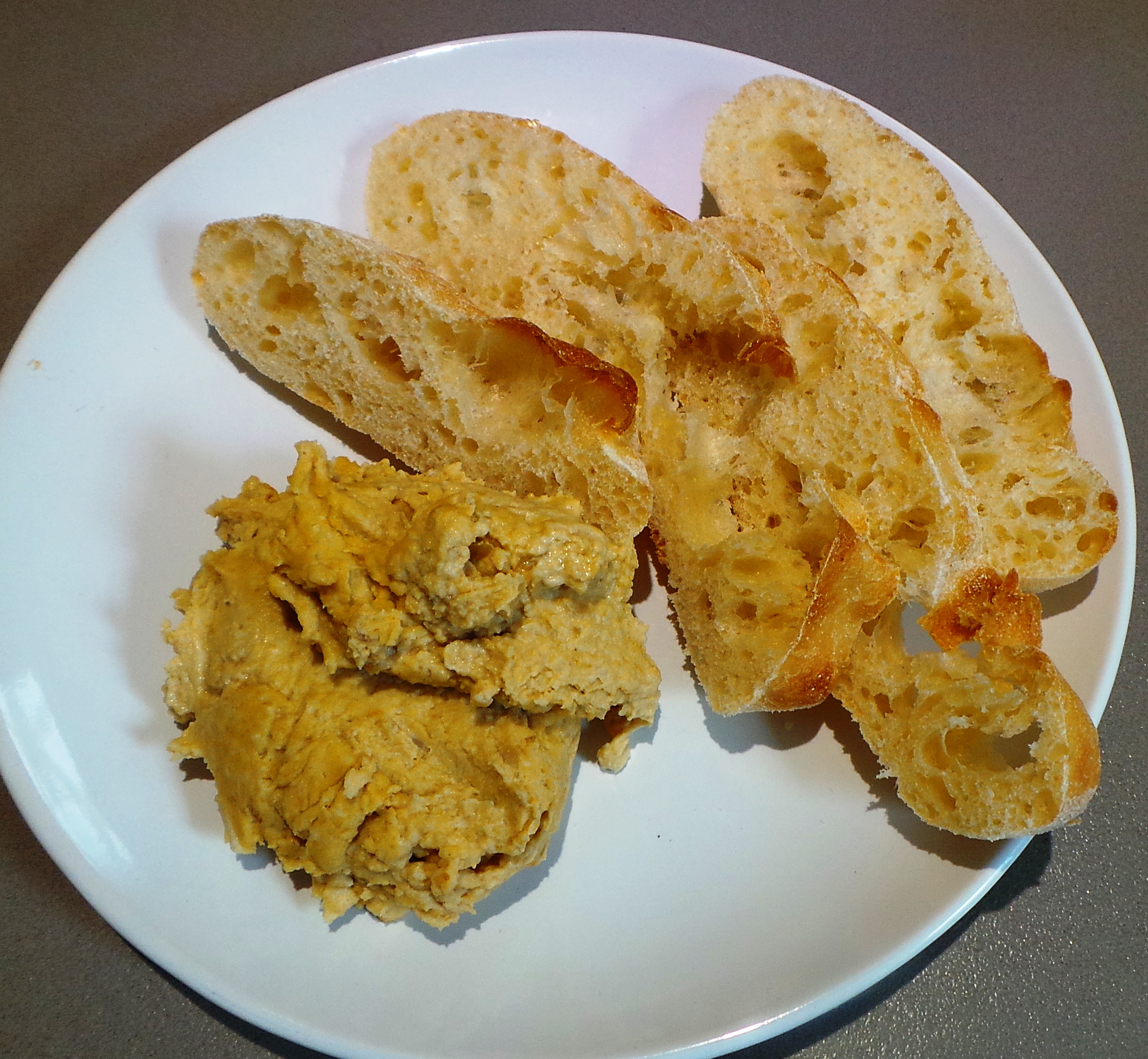
Serve. This goes beautifully with Turkish bread and equally well with prepared raw vegetables, like carrots and celery and red peppers.
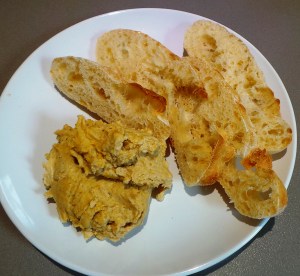
Serve with a few slices of Turkish bread or pide.

Serve with a few slices of Turkish bread or pide.

For a group, serve it in a bowl sprinkled with a touch of Sumac (if you have some) and a drizzle of olive oil.

This makes a great lunch option, it’s also a wonderful after school snack that you could supervise the kids making for themselves. Try it with just the chickpeas, lemon and oil and then experiment to your heart’s content.

Also, try using it as a spread on sandwiches and in wraps.

Then sit back and wonder why you’ve been paying around $4 for something this simple to make…

Hummus

  • Difficulty: easy
  • Print

Ingredients

1 x 200 g tin Chickpeas (drained) or 126 g dried chickpeas, soaked and cooked.

olive oil

1 small onion, chopped finely

4 cloves crushed garlic or 4 teaspoons minced garlic in a jar

1 tsp ground cumin

1 tsp ground coriander

½ cup tahini (optional)

Juice of 1 lemon

Method

In a small frying pan, gently heat 1 tbsp olive oil.

Add the onion and cumin and coriander with 1 clove of garlic. Fry until onion is softened and spices are aromatic. You do not want the onion to colour.

Add the chickpeas to the pan and stir well so that the peas become lightly coated with the spice mixture.

Transfer to the bowl of a food processor and add the tahini, olive oil, 3 cloves of garlic and 2 tablespoons of lemon juice.

Process until smooth.  This may be done using a heavy mortar and pestle.

Taste. Add salt if necessary and adjust lemon and oil flavours.

If the paste is too thick, simply add a spoonful of water to loosen processing well with each addition.

Serve sprinkled with sumac and drizzled with olive oil alongside Turkish or Pide bread and sliced vegetables for dipping e.g. carrots, celery, red peppers, etc.

This can be made up to 5 days ahead and stored in an airtight container in the refrigerator.

Ring the changes by adding a tablespoon of pine nuts to your frying pan, try using peanut butter instead of tahini, or add some roasted red peppers/capsicum to the processor bowl before blending.

For more inspiration, take a wander through the chilled section of your local supermarket and see what sorts of combinations are on offer there!
Frozen yoghurt

In Australia at the moment – to quote Robin Williams’s character in Good Morning Vietnam – “It’s hot! Damn hot!”

It's hot Down Under.

It’s hot Down Under.

Which means it would be nice to have something to cool down with, especially with the kids home from school for another week.

Even better, it wouldn’t be so bad to have something the kids could participate in actually making. Something which takes minutes and which wouldn’t end with them climbing the walls on added sugars and artificial colours and flavours.

Ta da!

Ladies and gents, if you’ve been following my latest posts about making yoghurt, then I’m guessing there’s some lurking in your refrigerator right about now. How about using it to make some fruit-flavoured frozen yoghurt with – wait for it! – real fruit and real yoghurt?!

Well, why not?

All you’ll need is some frozen fruit, some yoghurt and something to sweeten it with.

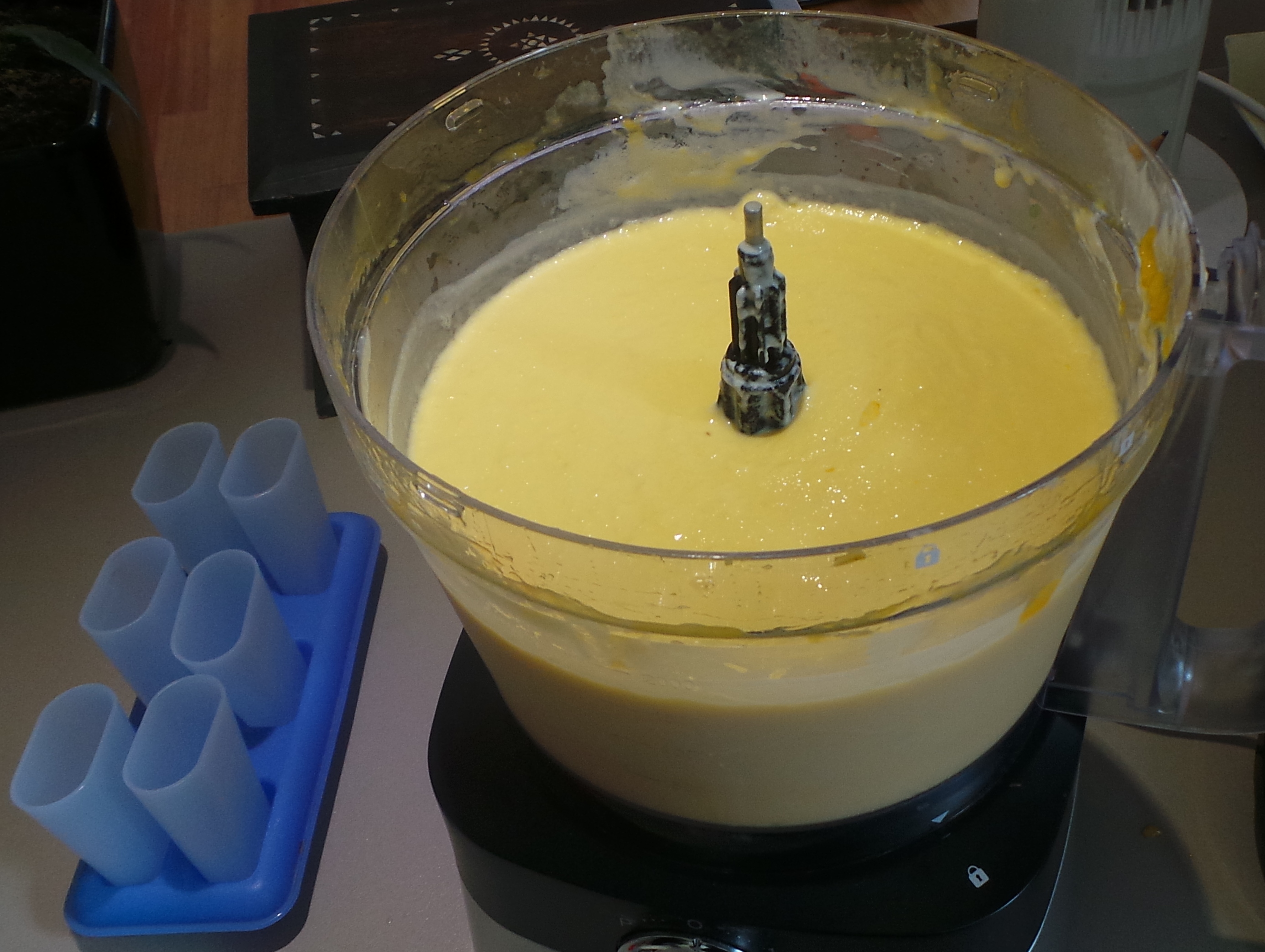
Mango frozen yoghurt.

Mango frozen yoghurt.

Unfortunately, this is one of the rare recipes on this site that actually requires a particular appliance. Sorry. You’ll need a food processor.

You could try making this in smaller batches using a stick blender, but I give no guarantees.

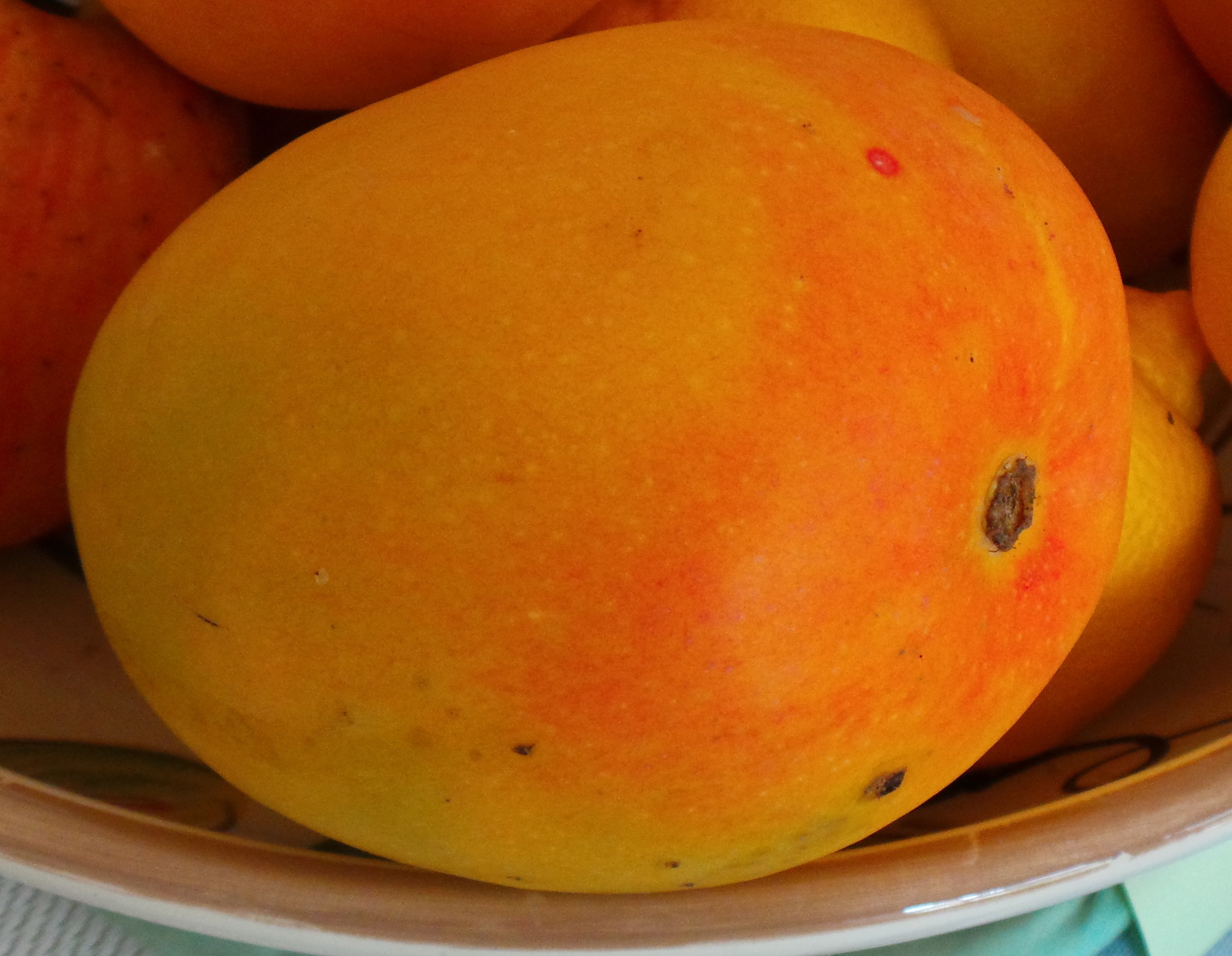
So, find yourself some fruit. If you are in a screaming hurry to do this, you can easily purchase bags of frozen berries from the supermarket. If you must. However, it’s summer, there are oodles of different fruits in season right now and going for a song. My local green grocer is selling mangoes for 50 cents each.

A gorgeously ripe, in-season mango.

A gorgeously ripe, in-season mango.

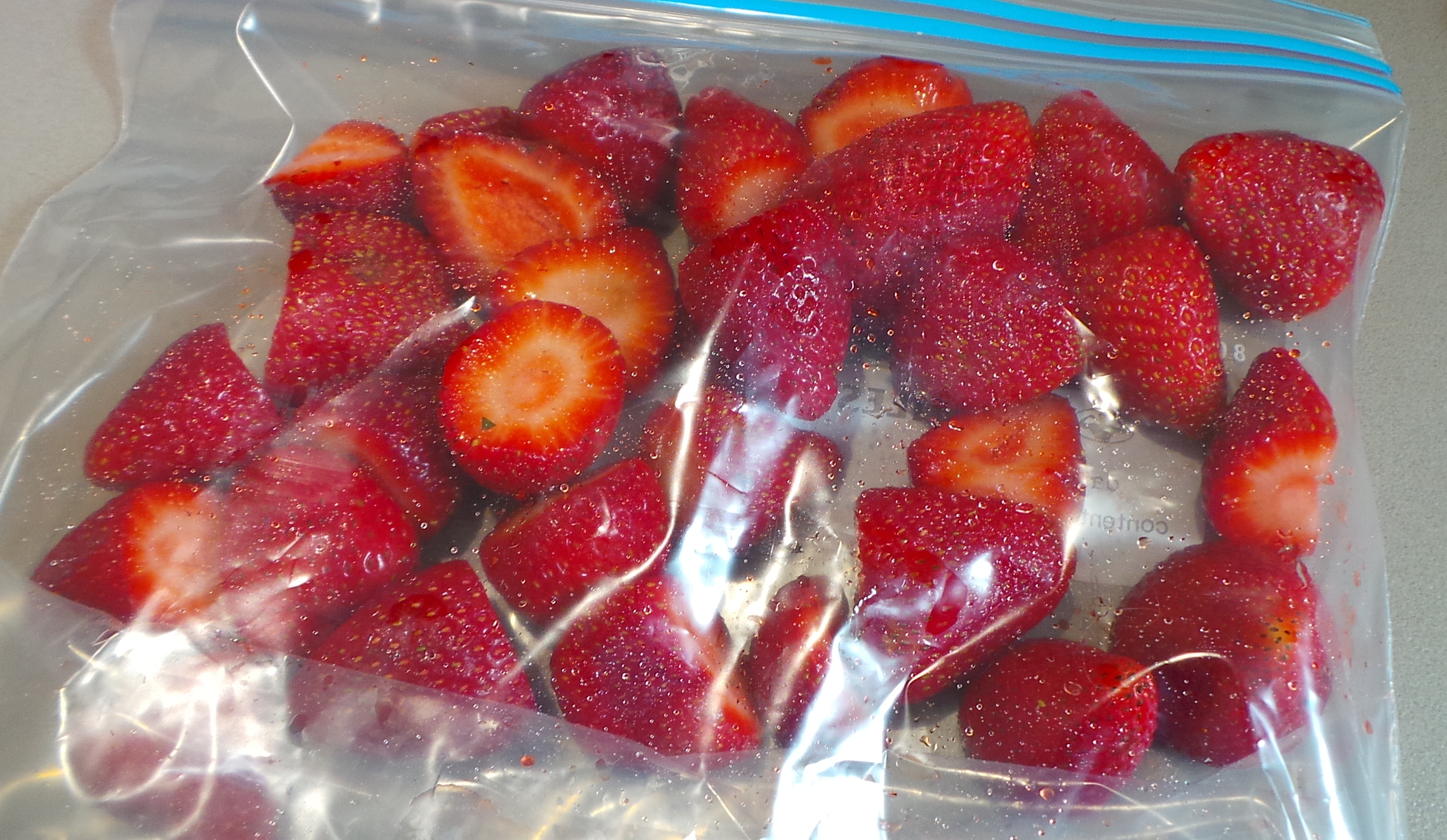
So, I bought a few, peeled and sliced them up and popped them in a ziploc bag in the freezer overnight.  Just before Christmas I did the same with a punnet of strawberries I found on sale. Here’s how to go about it if you’ve never done it before.

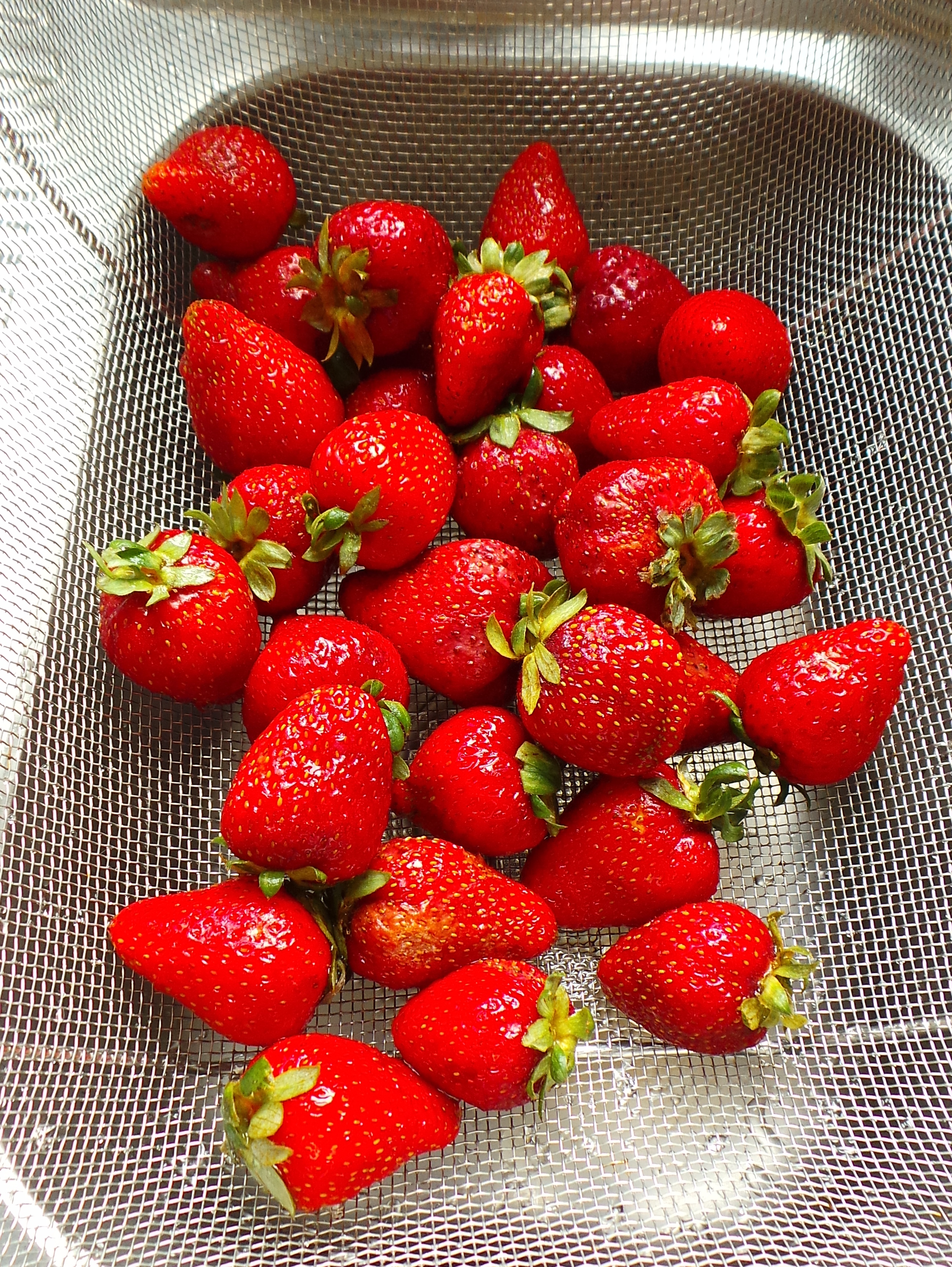
1. Wash your fruit.

Wash your fruit well and allow to drain.

Wash your fruit well and allow to drain.

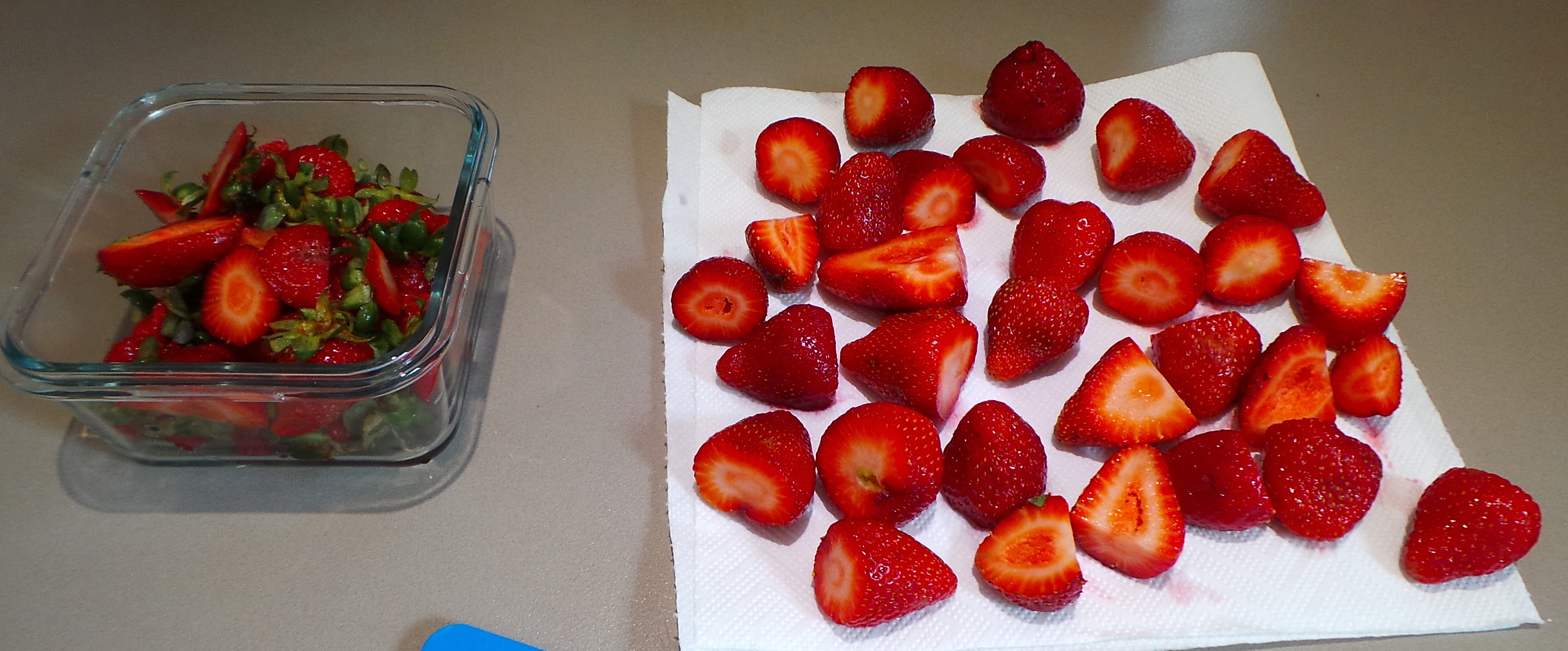
 2. Cut out any soft bits (especially with strawberries) and slice up larger fruits, like mangoes.
Prepare your fruit so you freeze only the best bits.

Prepare your fruit so you freeze only the best bits.

3. Put them into something you can seal well. A tupperware freezer container or ziploc bag will do nicely. Squeeze out all the air you can from bags, if using. Then freeze.

Seal into an airtight container and freeze.

Seal into an airtight container and freeze.

Simple.

Now to make your frozen yoghurt you’ll need to set up your food processor with the metal blade. The plastic one won’t work.

Trust me on this.

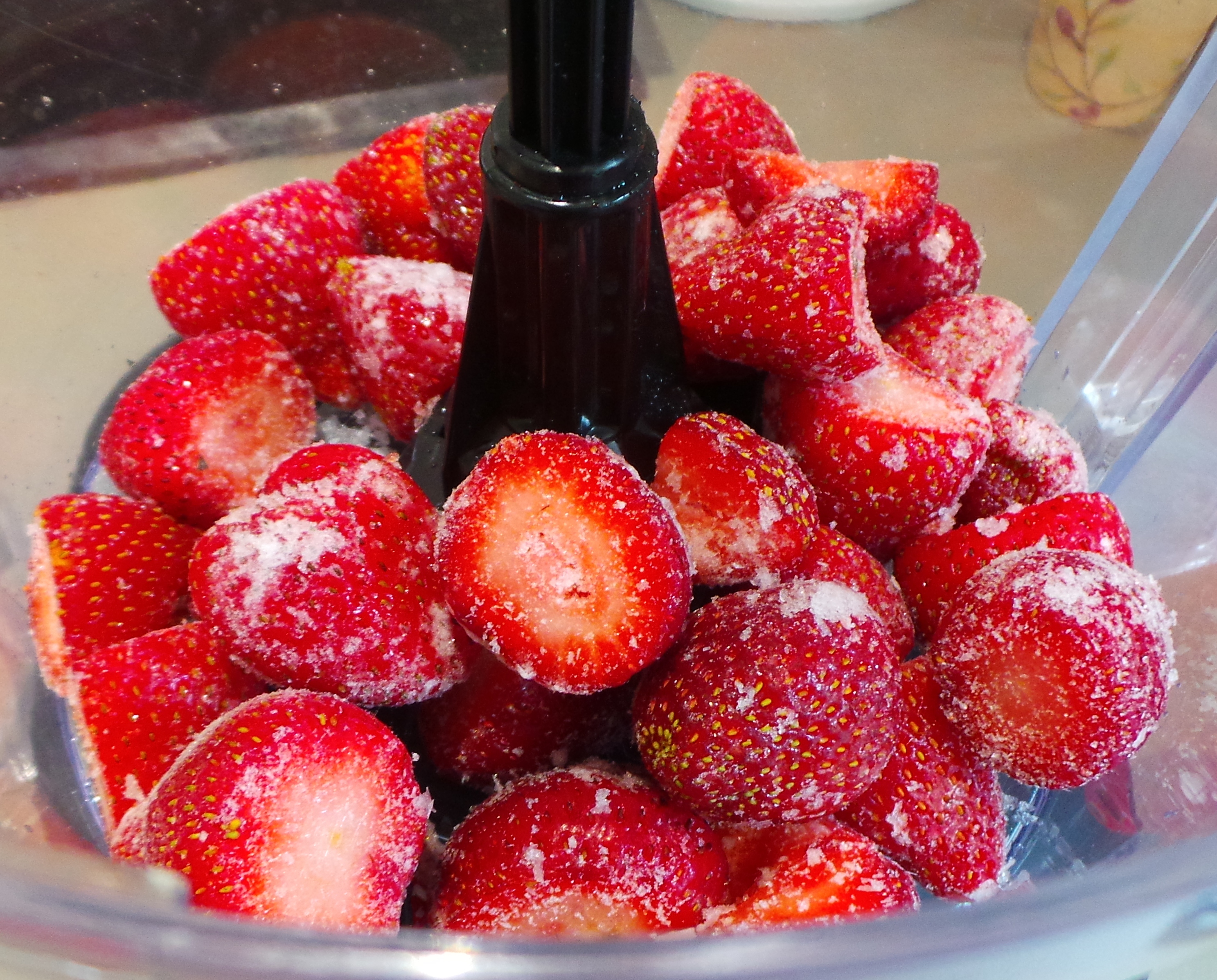
Add your frozen fruit.

Place your frozen fruit in the food processor bowl.

Place your frozen fruit in the food processor bowl.

Blitz for about 30 seconds, or until decently pulverised. Add a good drizzle of sweetener: this can be honey, maple syrup, agave syrup, golden syrup or even a few heaping spoonfuls of brown sugar.

At this point, it’s important to bear in mind the properties of your fruit. The coldness of the dish will affect your perception of its sweetness, it will seem much less sweet. The strawberries in the pictures were passing sweet at room temperature (the way I like them) but were pretty tart in their frozen state. They needed a fair whack of honey to make them palatable at sub-zero temperatures.

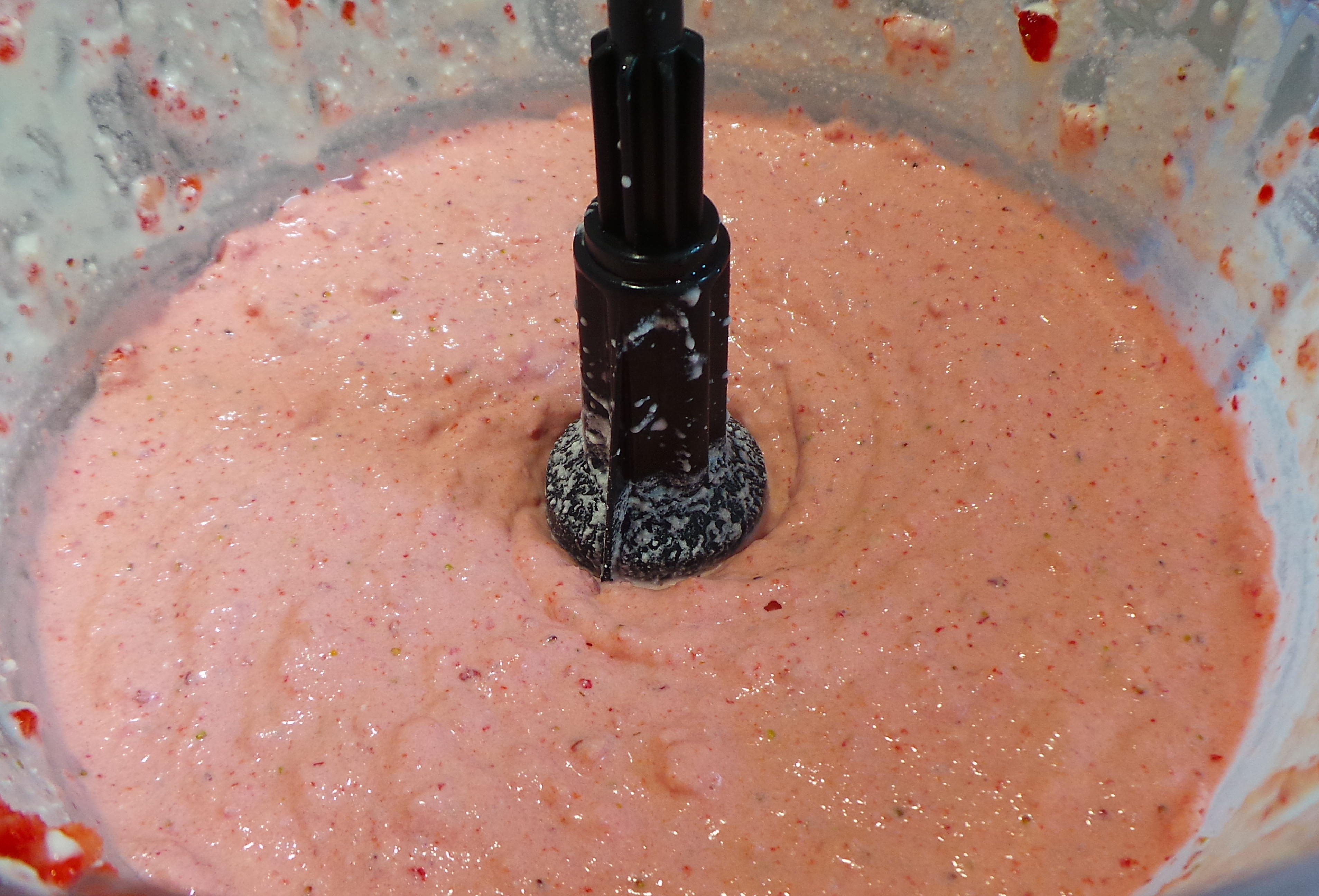
Now add your cold, straight-out-of-the-refrigerator, yoghurt all at once and blitz again for about a minute.

Add your yoghurt and blitz.

Add your yoghurt and blitz.

Taste for sweetness.

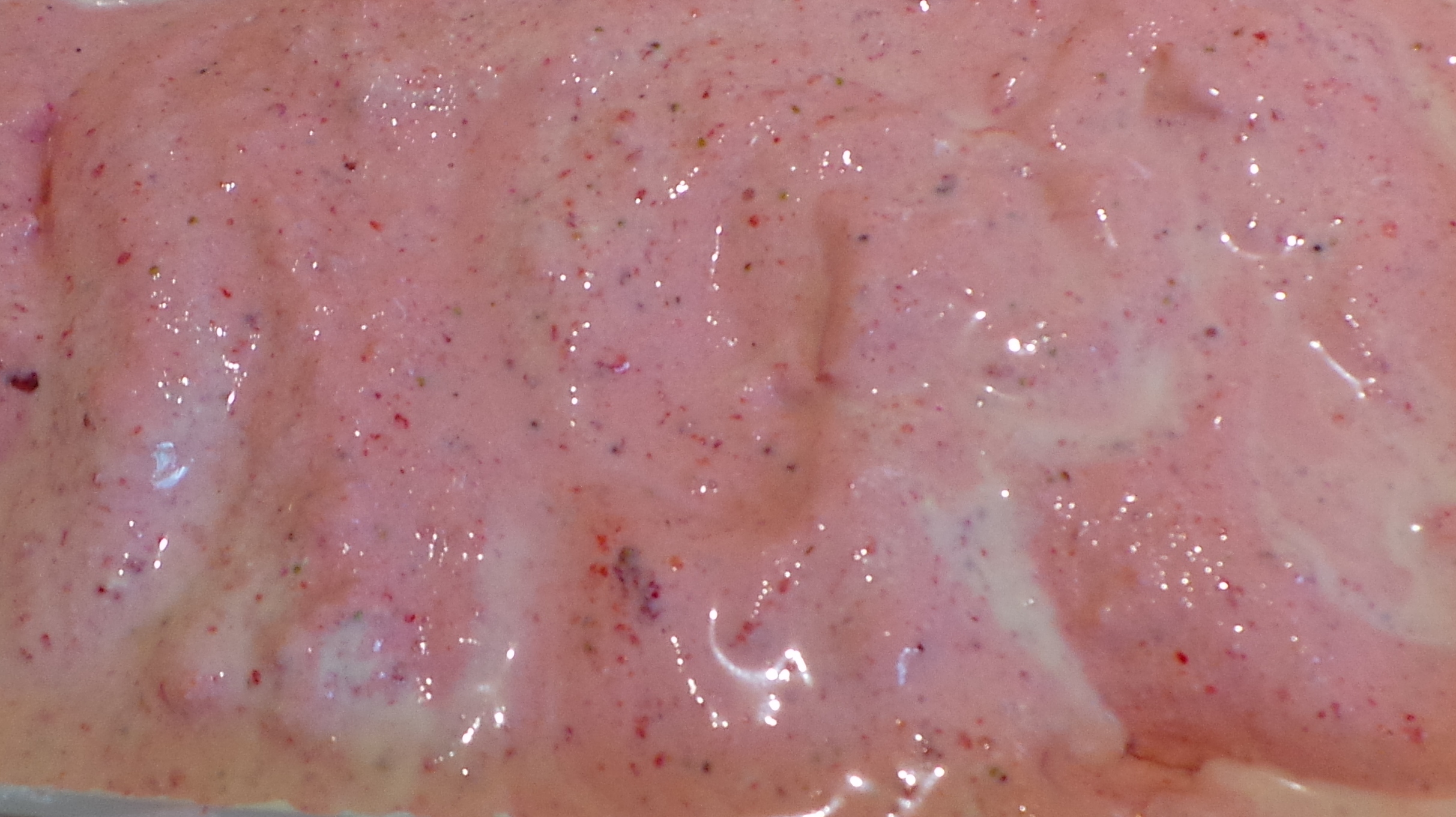
The frozen fruit will have caused the yoghurt to start to freeze and your mixture should resemble soft-serve ice cream already. Feel free to eat it immediately. 😉

The finished product.

The finished product.

Alternatively, place it in a container in your freezer. This mixture will set quite solidly as it is lacking the additives that commercial blends have and which make them scoop-able straight from the freezer.

Take it out of the freezer about 20 mins before you are wanting to serve it. So, if you want it for dessert, take it out as you serve up your main meal…

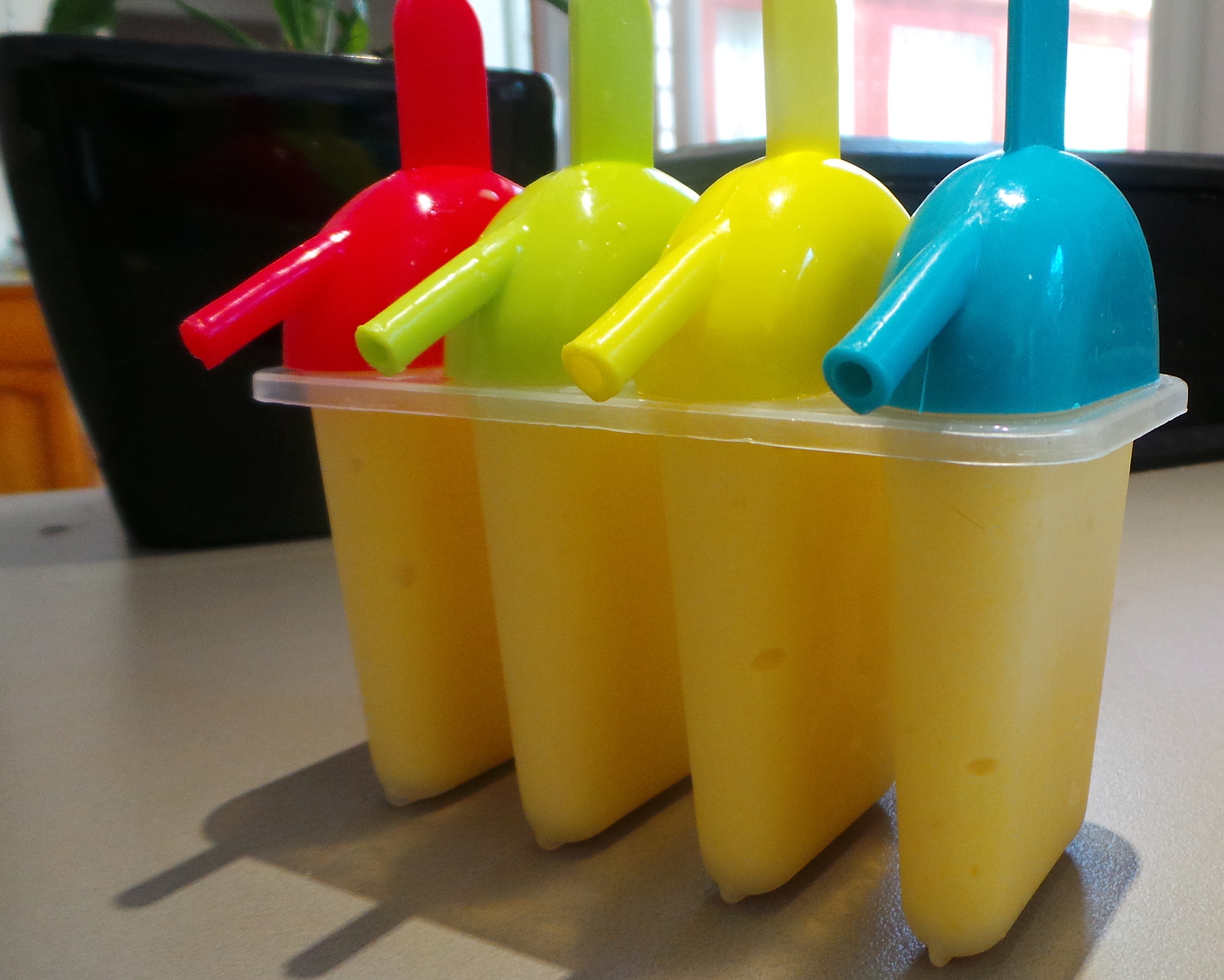
This firm setting property makes it ideal for popsicles, paddlepops or ice lollies though! Pour your mixture into moulds and you’ve got the ideal cool down when your kids come back from their first stinking hot days of an Australian school year.

The popsicle moulds were bought at Aldi...

These popsicle moulds were bought at Aldi…

Better yet, they can help with pretty much every aspect of making the things – short of using the food processor. Just be prepared for some mess…

Frozen Fruit Yoghurt

  • Difficulty: easy
  • Print

Ingredients

300g frozen fruit

500g chilled yoghurt (Greek, full fat, skim, soy, whatever…)

3 tablespoons honey or to taste. (You can substitute maple syrup, agave syrup, golden syrup or corn syrup if you wish)

Method

Fit the metal chopping blade into a food processor.

Add your frozen fruit and pulse for around 30 seconds or until the fruit has a relatively even texture. One or two larger pieces just add interest to the finished product.

Add your sweetener and pulse briefly.

Add all your yoghurt and blend until smooth.

May be served immediately, or frozen for several weeks in a sealed container.

Remove from the freezer at least 20 minutes before serving (or risk tears and sprained wrists).

Variation: Pour into popsicle moulds for individual treats. If you don’t have any moulds, then try using small plastic cups or tumblers with a paddle pop stick inserted into the mixture.

Run hot water around the outside of the mould to help release the treat.

Basics – Pancakes (Drop Scones)

I heart pancakes...

Pancakes are one of those things that always seem special, no matter how they are served.

They really aren’t all that difficult to make, but may require some time on your feet and rather a lot of patience while you get your pan sorted out.

Learn how to make these and then learn to ring the changes and make a savoury version with fritters or a simple variation with sliced apple.

I heart pancakes...

I heart pancakes…

They can be made in adult-sized meal servings or as many ‘baby’ pancakes.

In Australia these baby pancakes are usually served cold and known as pikelets or even drop-scones. As a Queenslander by birth, I grew up calling them pikelets and taking them to school spread with butter and Vegemite. When my family moved to Victoria I discovered them dubbed drop-scones and served with jam and whipped cream

I must confess, I don’t make pancakes very often. They are one of those dishes that starts out a treat but can readily become too much of a good thing as your stomach starts to feel overwhelmingly full…

I’ve also had a lot of frustration with the glass cook top at my new home and had decided that they were just not going to be a thing while we live here. Then, on advice, I bought myself a little butane-powered camp stove and could suddenly fry at a reliable temperature again.

In the meantime there were many tears over many, many failed dishes.

Chocolate was eaten.

Hugs were required.

It doesn’t need to be hard though. If you have a reliable heat source and a good frying pan or skillet, you should be fine. Really truly.

Also, don’t worry about the whole flipping thing. These are pancakes and not crêpes, use a fish slice or spatula and relax.

I’ve made these so many times now that I don’t need a recipe anymore and simply mix everything together in a large Pyrex jug. You, too, can get to that level of confidence following the recipe at the bottom of this post. 😉

Print it off, laminate it and pin it to your fridge. Someone may see it and decide to spoil you with them for a special occasion some time. Ahem.

So, let’s begin.

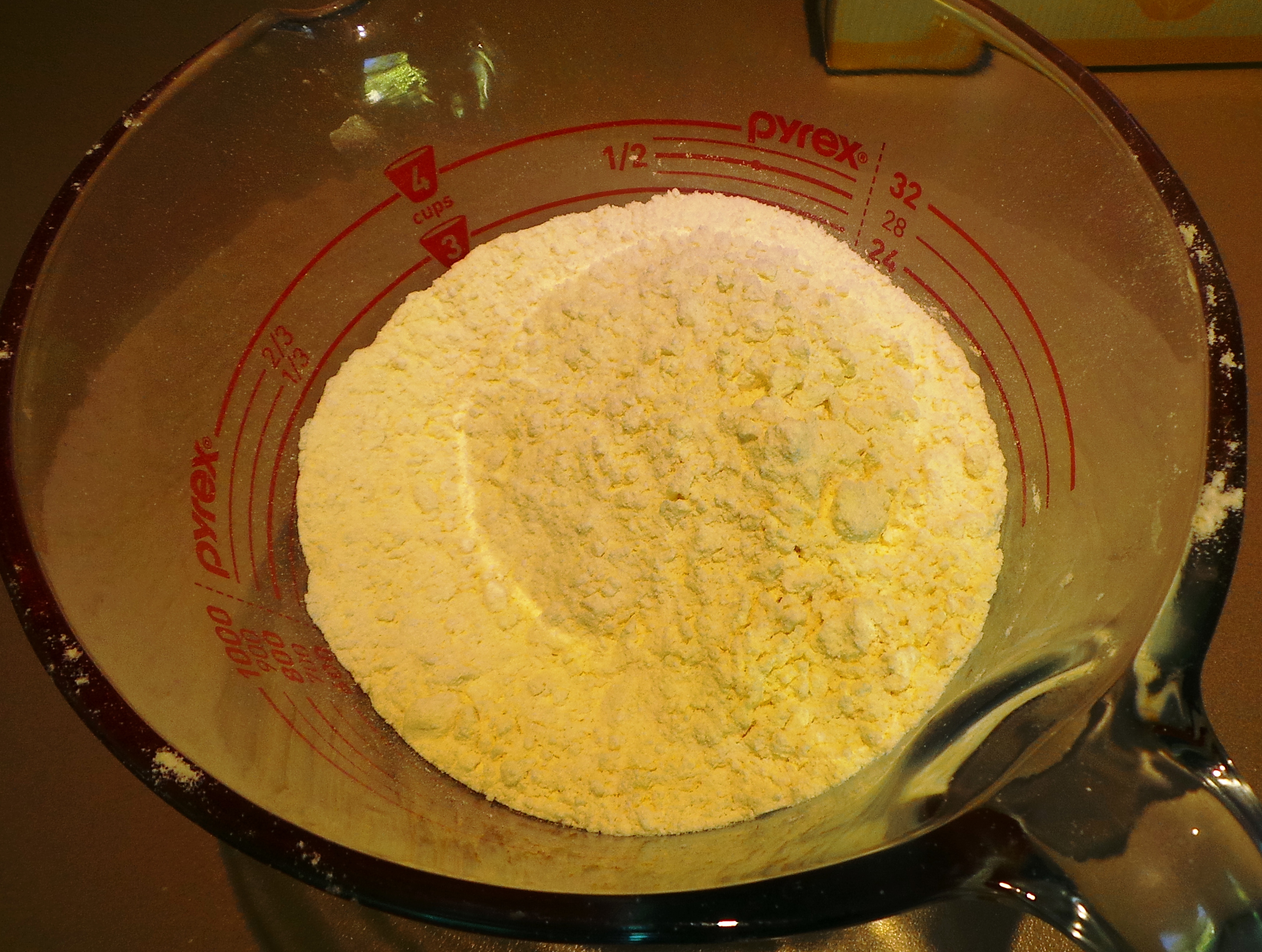
Sift together your SR Flour, a pinch of salt and some sugar. Feel free to add a pinch of cinnamon or nutmeg, but don’t feel obliged.

Sift your dry ingredients together.

Sift your dry ingredients together.

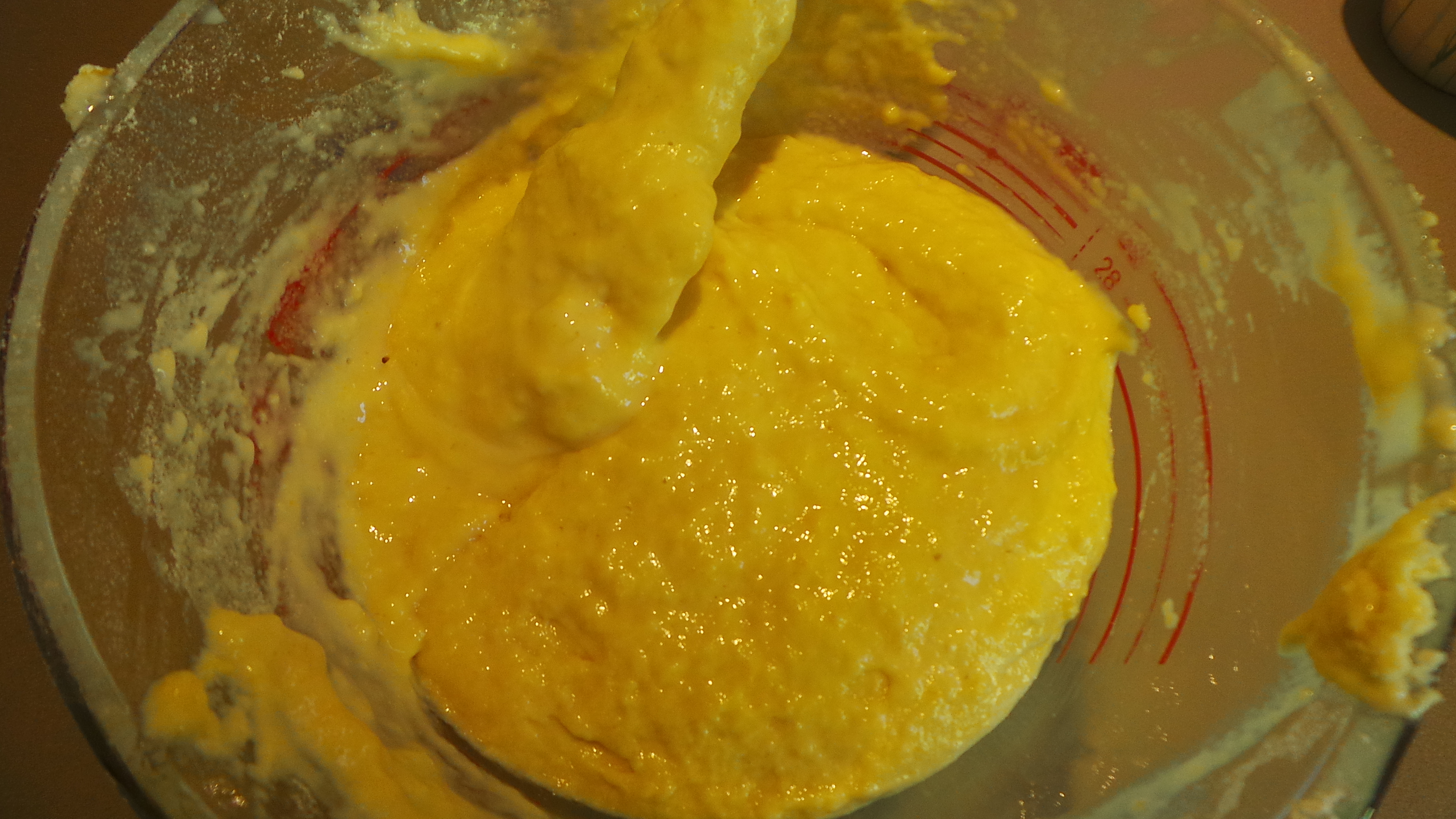
Mix together your egg and milk. You might also try using buttermilk or a mix of half yoghurt and half milk. These last two will give your batter an extra lightness.

Mix in your wet ingredients.

Mix in your wet ingredients.

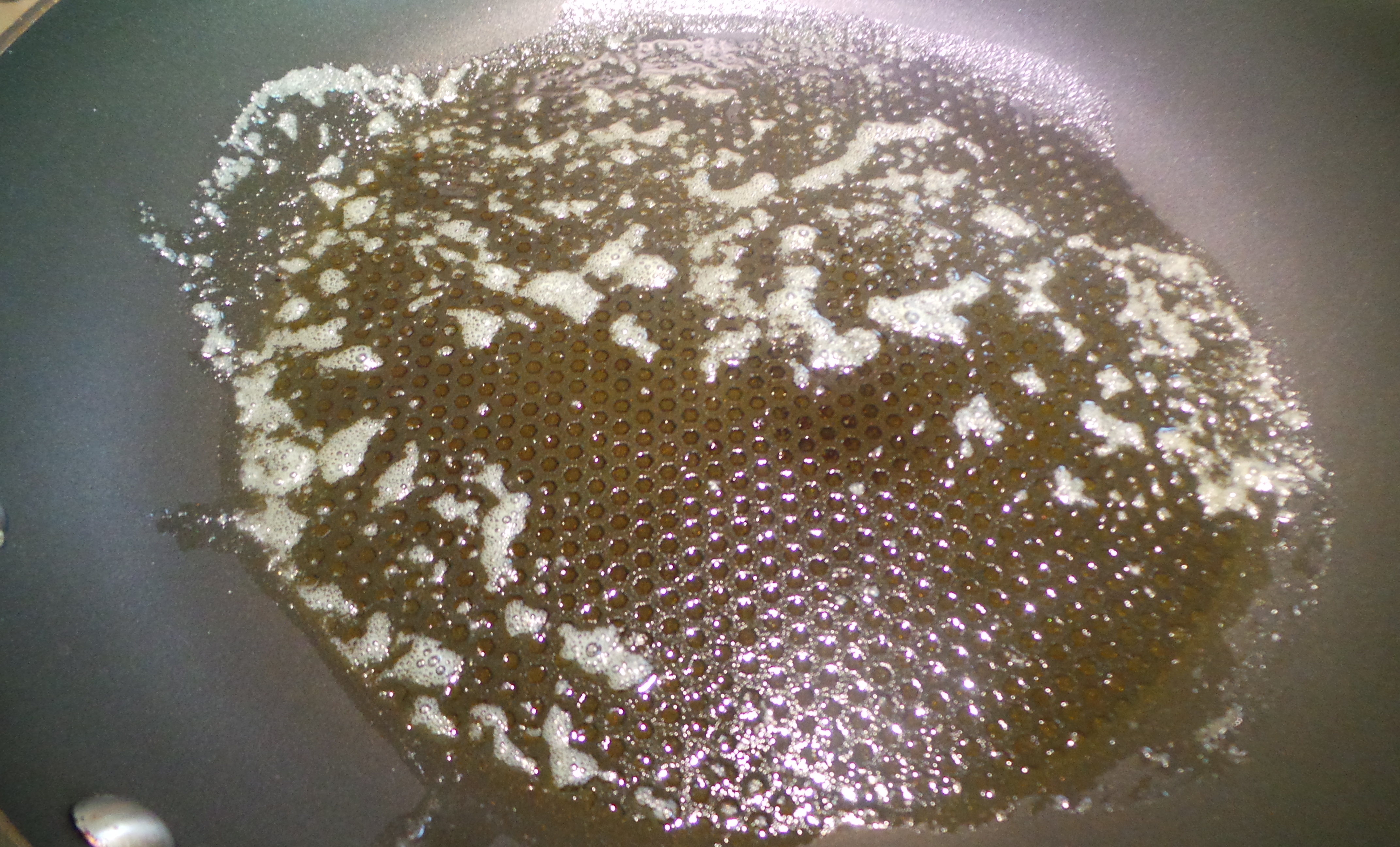
Melt some butter into a hot frypan, adding a dash of oil. The oil will stop the butter from burning.

You can use oil instead, if you wish, but I find butter gives a better result.

I confess to also having a can of spray oil on hand with which to lightly coat the upper surface of the pancakes before I turn them.

Cooking them solely in spray oil is not something I would recommend. Your pan will be on the heat for a longish time and this will change the flavour and scent of the spray oil. You have been warned.

melt your frying fat.

Melt your frying fat.

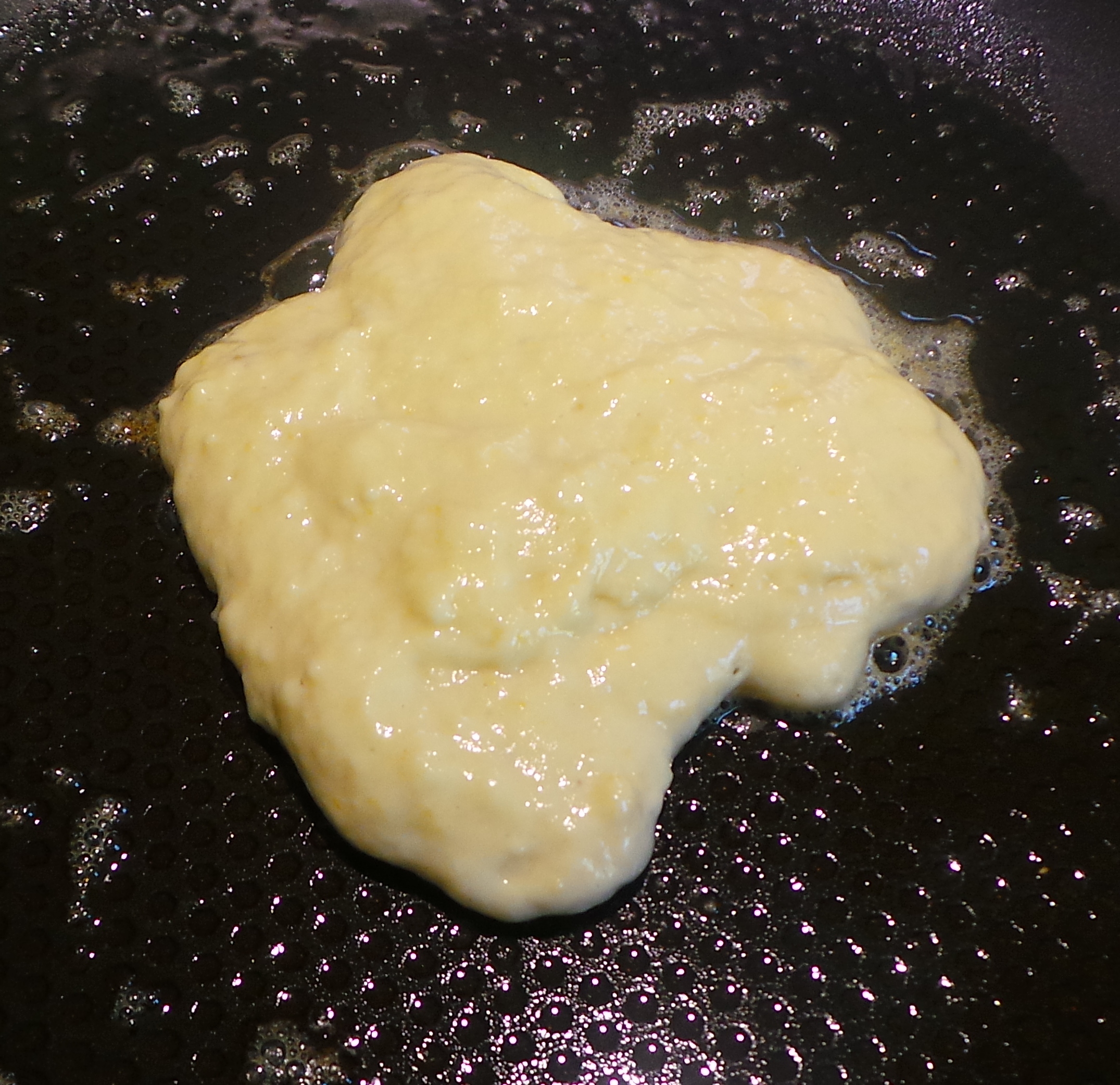
When your butter starts to foam, as pictured, add dollops of batter. If you want pikelets use a dessertspoon to measure it out, if you want pancakes use a ladle.

Dollop your batter into the pan.

Dollop your batter into the pan.

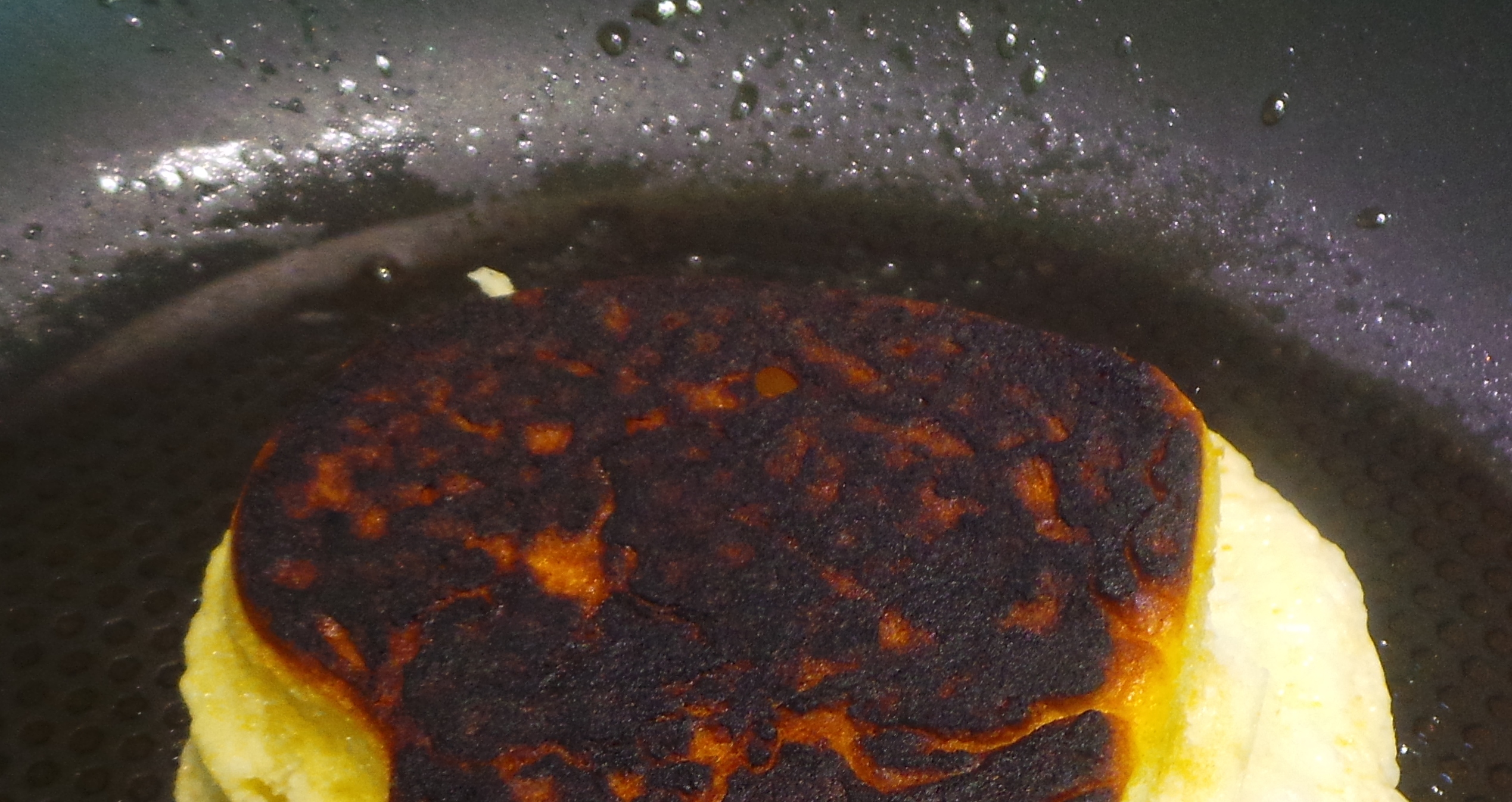
Once in the pan, leave it alone. Make sure the heat is not too high or you will end up with a burned pancake. Everyone burns their first pancake. Really.

First pancake = burnt offering to the breakfast gods.

First pancake = burnt offering to the breakfast gods.

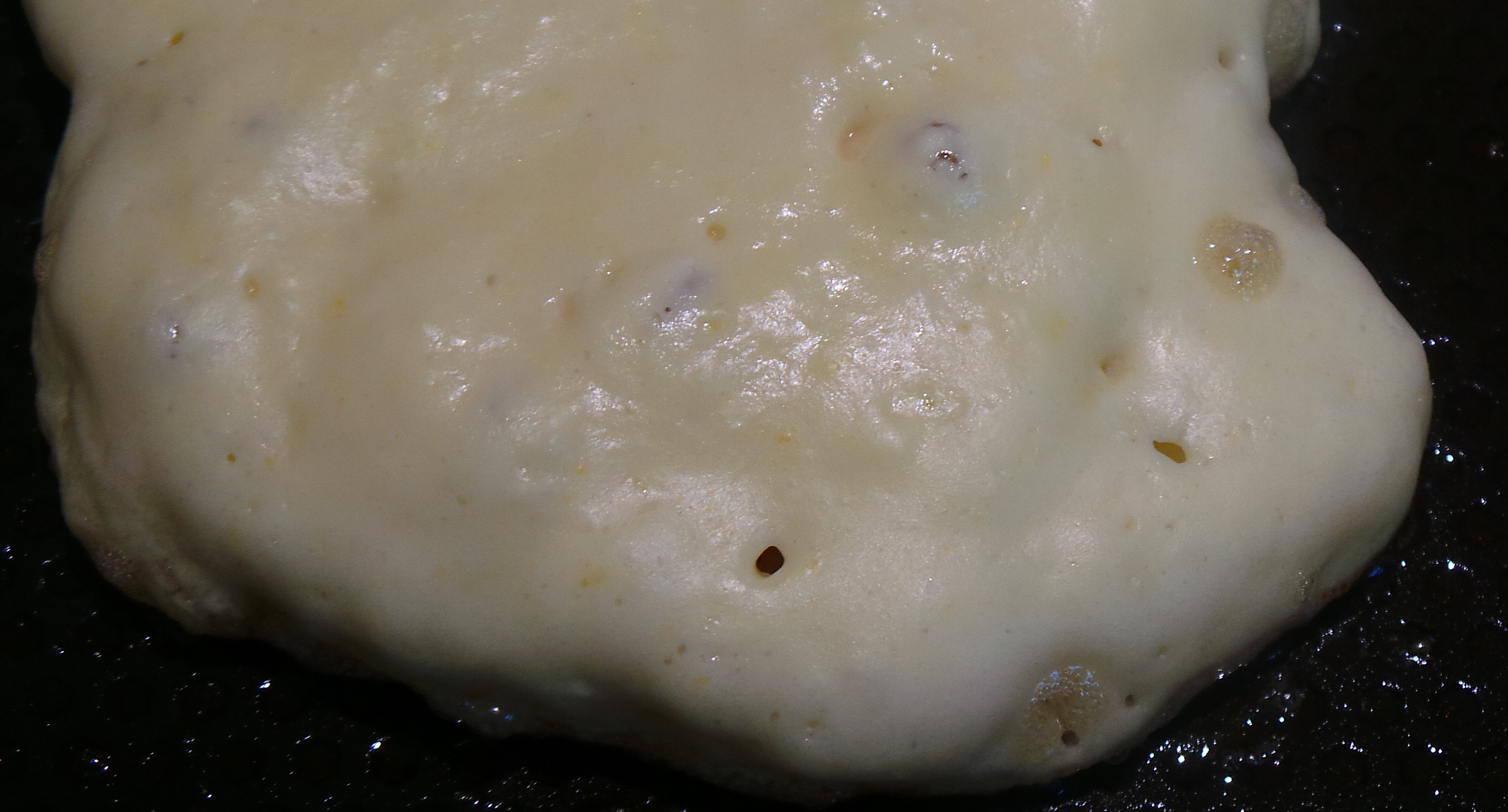
The pancake is ready to turn once small bubbles start to appear on the uppermost surface.

Bubbles will form in the batter.

Bubbles will form in the batter.

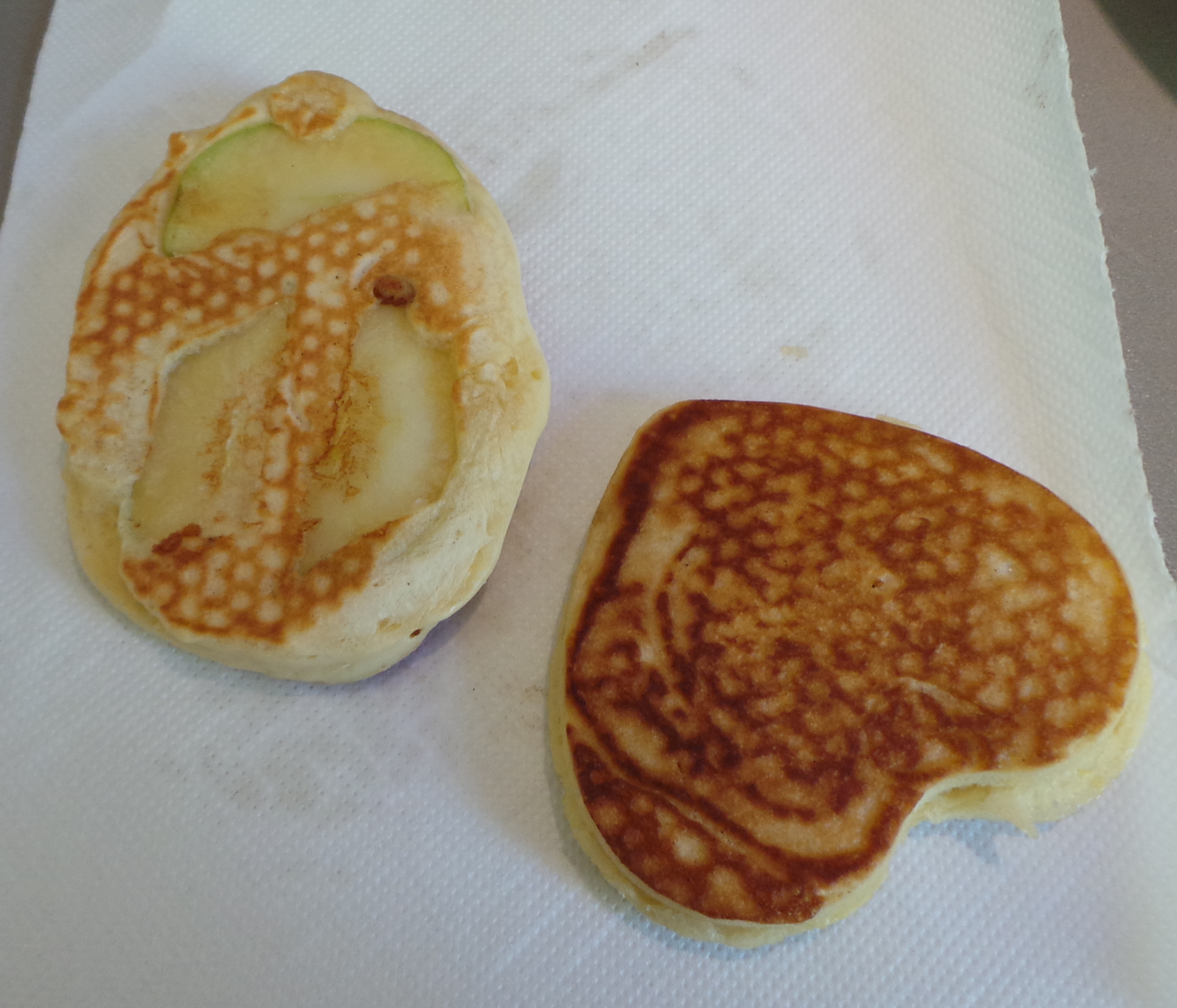
As mentioned before you may wish to give them a misting with spray oil, then flip them over. Leave for about three minutes and then remove to paper towel to drain. This won’t take long, basically you just want to absorb any cooking fat sitting on the surface to stop your pancakes from being greasy.

Drain on paper towel.

Drain on paper towel.

Serve immediately or store in one of those wonderful tortilla warmers I’ve spoken of before.

Sprinkle with lemon juice and sugar, douse with maple syrup or spread with your preferred preserves. This is yet another place to use your home-made lemon curd or dulce de leche as well.

This is a recipe that can be added to in many ways. You can try the savoury option and go for fritters (and tidy up the bits and bobs littering your fridge), or you can explore the sweet side of things.

Try adding a few choc chips if you have them, or mixing through dried fruits like sultanas or craisins.  Add these things to the dry ingredients, after sifting and before the milk and egg.

Fresh berries are fabulous additions when in season, but frozen work just as well when their seasons have passed. Again, stir into the flour before adding the liquid.

Try adding some fresh lemon or orange zest to all of the above suggestions and feel like a chef for a bit…

You may have noticed that last photo has a heart-shaped version and one with sliced apple. They’re both going to have their own posts, so stay tuned.

Pancakes

 Ingredients

1¼ cups self-raising flour (156g)

¼ tsp salt

3 tbsp sugar

1 egg

¾ – 1 cup milk or buttermilk

butter or oil for frying

Method

Sift flour, salt and sugar. Make a well in the center.

In a jug mix together the egg and most of the milk. Pour into the dry ingredients and beat together with a wooden spoon. Add remainder of milk if necessary. You are aiming for a thick batter.

The batter will also thicken upon standing.

Heat your frying pan and add butter to grease. To prevent the butter burning, add a touch of oil.

When your butter is melted drop dessertspoonsfull of mixture onto the hot pan – for drop scones or pikelets – or ¼ cup amounts for full pancakes. Try using a small ladle for measuring the batter into the pan.

When bubbles appear on the upper surface of your batter turn to cook the other side. This will take approximately 3 mins.

Remove from the pan onto paper towels to absorb any excess oil on the surface. Keep warm, or serve immediately.

May be served cooled with whipped cream and strawberry jam as a Devonshire Tea.